
JEN 001
Welcome back to the blog. We haven’t discussed wah pedals since our blog ‘wah wah mods & repairs’ published 21/5/2011. We still regularly receive recent production wahs for basic repairs & setups. In this case a Cry Baby Super by JEN of Italy arrived for a complete overhaul from a customer in Canberra. This wah has been owned by the same customer for well over 30 years & could be considered a ‘classic’. Compared to some modern production wahs it has the most basic no-frills circuitry, and yet it is capable of a more ‘vocal’ sweep that is so musical & engaging that you just don’t want to stop playing !

JEN 002
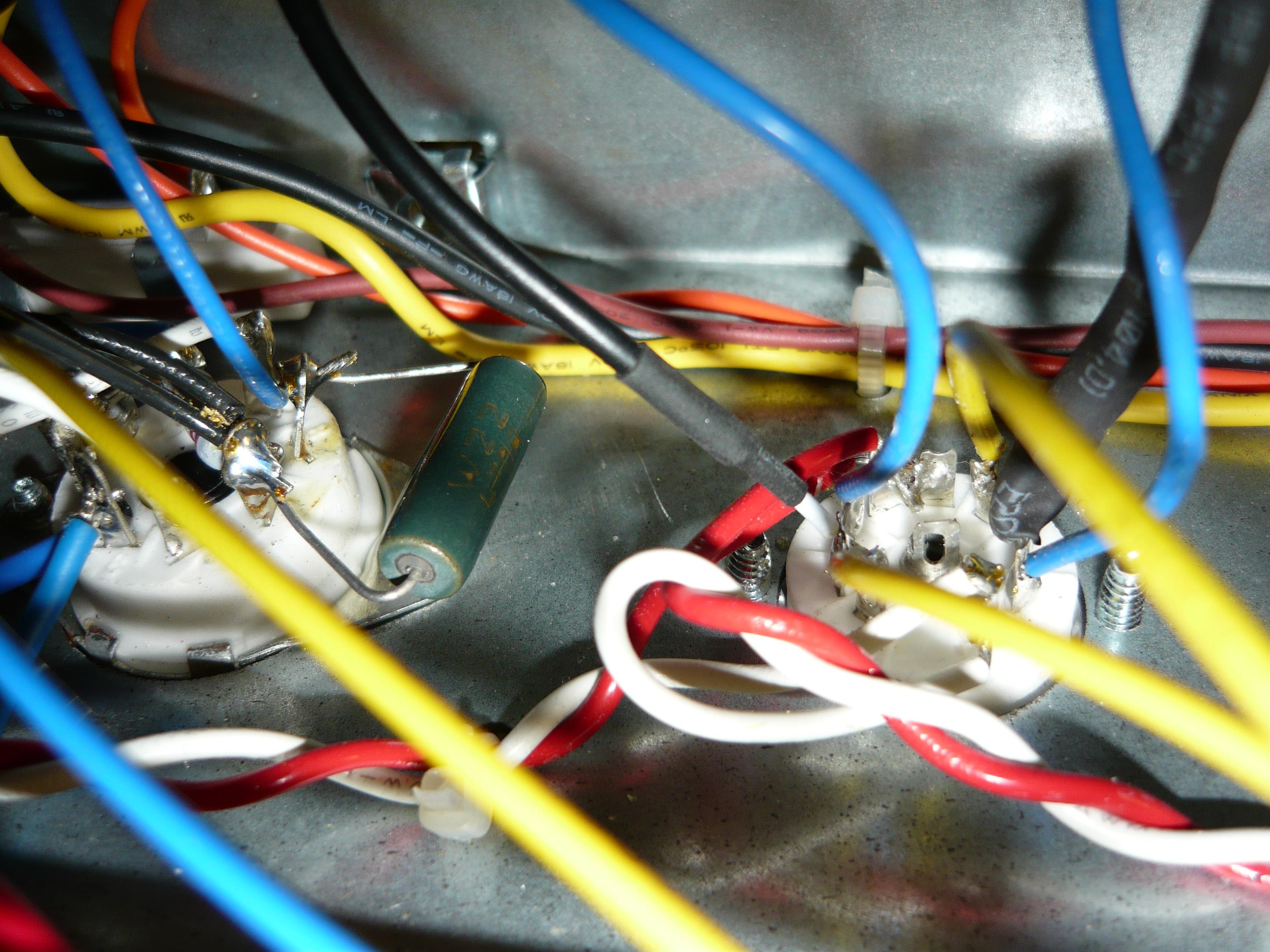
We identified that the following components were faulty and should be replaced: the ‘pot’, the footswitch, the 9V battery clip & the input jack. The board itself (which included the famous ‘Fasel’ inductor, see JEN 004) was still OK. This was the perfect opportunity to offer the customer a ‘true bypass’ MOD, as we were going to install a DPDT Carlingswitch anyway. This is literally the only modification we would recommend for this wah. This wah already has a 9V DC IN jack installed, but there were no additional components provided for filtering the power or protection against reverse-polarity &/or over-voltage. The customer’s intention is to power the wah using 9V battery only (which some people still feel gives the best results in a traditional wah), so we took no further action in this regard, beyond a fresh battery & a new battery clip.

JEN 003 – replacement of rubber pads
Before we could attempt to setup the newly installed pot & footswitch, we replaced the 2 x missing rubber pads on the underside of the pedal as shown in the photo JEN 003. These pads are critical to the ‘feel’ of the wah as you reach the end of the sweep and also dampen the mechanical action of engaging the footswitch. Most important. It is necessary to glue these pads in place and allow the recommended time for the contact glue to set.

JEN 004
24 hours later we returned to set the height of the footswitch, ie its point of engagement, plus the sweep of the pot. The original pot we removed measured 250K ohms, which is not a standard value for wah pots these days, but we successfully installed a 150K pot which when adjusted resulted in a very nice sweep. We discovered that there are significant physical differences between the original pot, rack & gear compared to current production (not for the first time). Therefore the nylon clamp that holds the rack nicely in place up against the pot gear was actually exerting way too much tension for this wah pedal to be of any practical use. Much trial & error later we finally had it just right.

JEN 005
You can see the original nylon clamp with the new pot in photo JEN 005, plus the ‘true-bypass’ MOD has been implemented. A resistor has been added to minimise pops & clicks (ie, a ‘pull-down’ resistor). We added some foam (JEN 004) to enable the battery & clip to be padded down firmly when the bottom plate is re-attached.
The sweep of a wah & the ‘feel’ of the bypass switching are so much a matter of individual preference, in most cases we can only adjust to what we think is appropriate, based on practical experience. We returned the completed wah via parcel post to our valued customer, Mr John Milton, and some days later received this very positive feedback & testimonial:
HI Ivan…………….and I must say how great it sounds. Certainly feels different under foot, but the sweep & the clarity of the wah is most notable and it didn’t take long for my memory of the pedal to return. Also noticed there was hardly any change (when using the Jen) of tone apart from the wah effect, of course, and the subtle transition of OFF to ON & vice versa. Very clean signal, and the low tones of the sweep don’t go muddy & gurgly (!?!). The newish ones seem to do that and it is horrible (the Zac Wylde version in particular). All in all, I’m really happy and it is great to get that ‘sound in my head’ back, which I didn’t realise was gone for a few years. Thanks again for a fantastic job and I certainly do appreciate it. I wouldn’t want to make any further changes, it is perfect for what I try to do. JM.























 ivanrichards