Archive for the ‘Amp Repair’ Category

Authorised Service Centre for CARR Amplifiers.

June 18, 2011

We are pleased to advise that as of December 2007 we have been appointed as the factory-authorised service agent in Australia for Carr Amplifiers of North Carolina, USA. Carr amps display a unique and highly individual approach to guitar amplification, and are completely valve (tube) in design (some models do have a solid-state rectifier), and are completely hand-wired.
The most popular Carr models have been, and probably always will be, their hot-rodded Princeton-Reverb style amps, however some of their other models defy the usual trends and offer something quite different in both style and tonality.

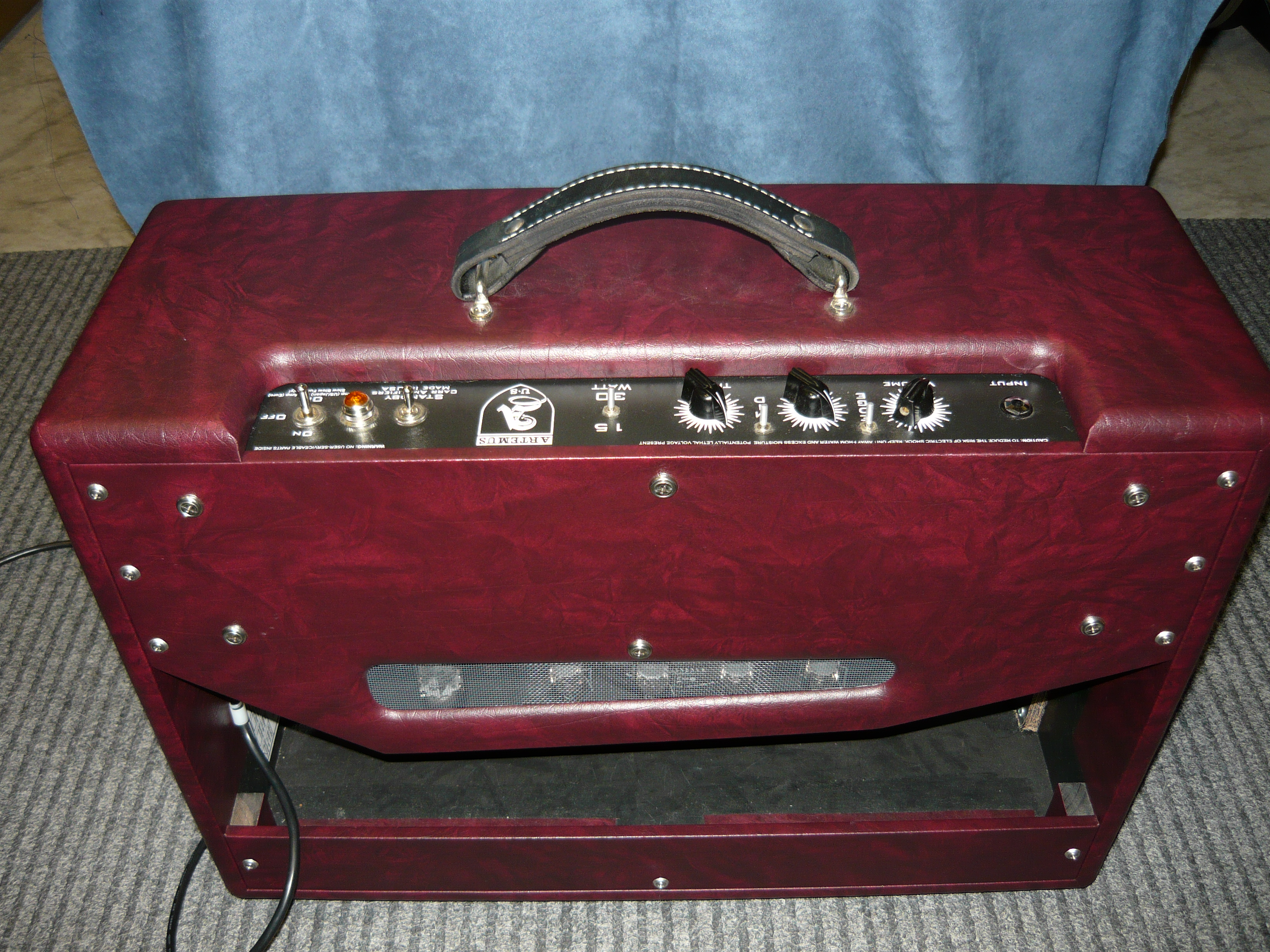
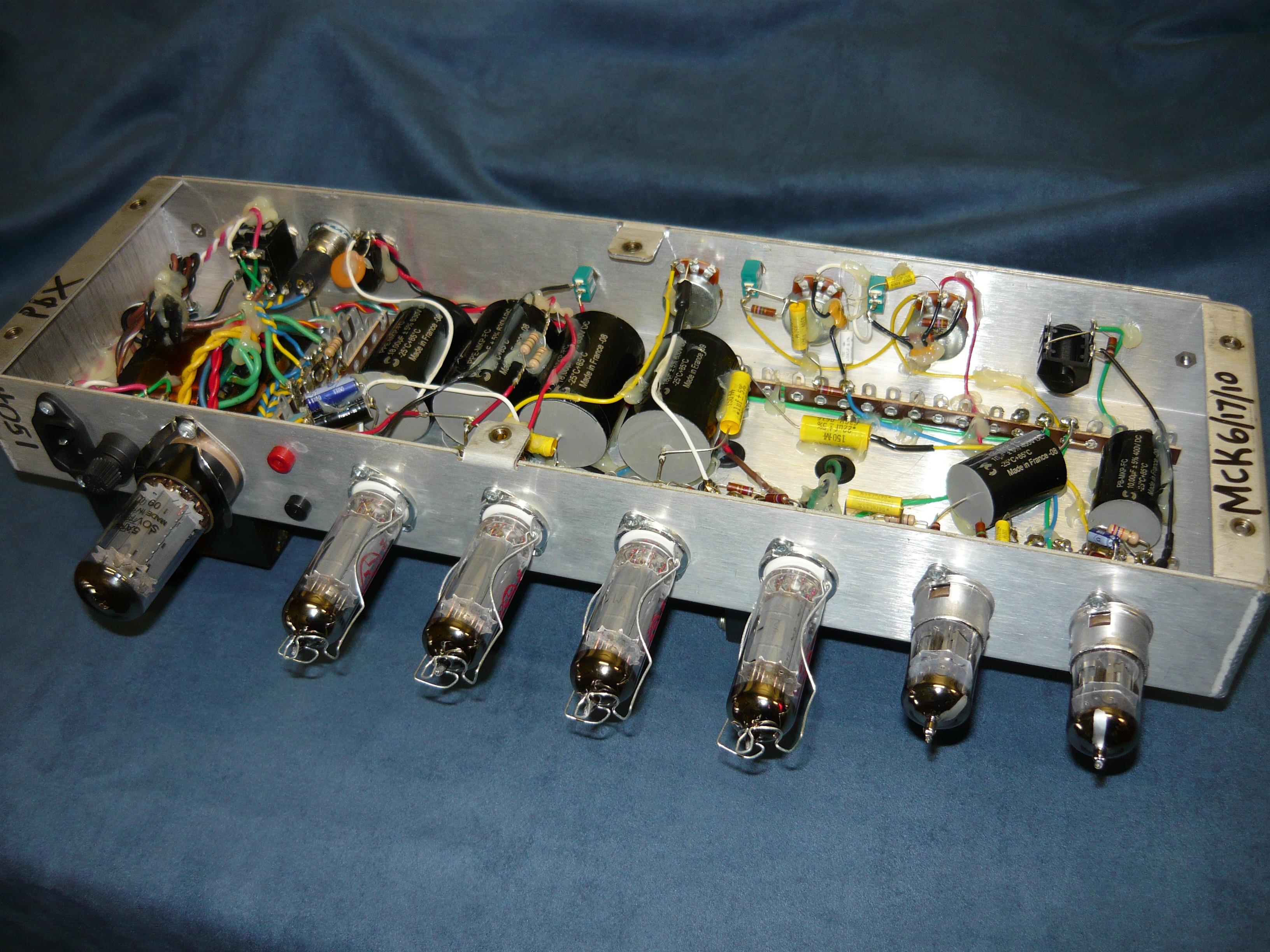
Pictured here is the subject of a recent repair, the Carr Artemus. This is a 30 watt output, class AB/fixed-bias, 4 x EL84 design with an unusual front-end design. This amp would obviously have a fairly specialised appeal, and is quite different to the many AC30-influenced amp designs on the market. Cosmetically, the amp has an attractive art-deco style cabinet which has been faultlessly presented.
Here is what Carr amps had to say as part of our original communications:

hello Ivan:  Great to have you on the case ! You certainly come well recommended and it’s wonderful to have people like yourself work on our amps – Steve Carr.

If you have any service enquiries and/or service issues, please contact us via email address info@ivanrichards.com for world-class service and support, including full backup as required from Carr amps, USA. Our workshop is located in Wyoming (Gosford), New South Wales, just north of Sydney. Alternatively, you can make arrangements via Bondi Intermusic of Oxford Street, Bondi Junction (Sydney). Mobile number for urgent enquiries is 0418 862 034 (within Australia), and 61 418 862 034 (international).

Note:-  for those of you out there that may have a Carr amp purchased direct from the USA and therefore operating on 120V AC via a stepdown transformer, we can offer a permanent solution by installing a 240V power transformer supplied by Carr amps via their Australian distributor, Bondi Intermusic. Please enquire as per the preceding paragraph.
How do we test and evaluate our valves [tubes] ??

June 4, 2011

Let me say from the outset that I am NOT a valve [tube] discounter. You cannot possibly sell valves at some of the prices I have seen on-line [on Ebay, for example] with any degree of quality-control. The mark-up just isn’t there to support or justify this. It is actually quite time-consuming to test and evaluate a batch of valves.

However, I DO supply and install valves as part of my amp servicing business and also obviously with my own Richards amp custom-builds. I also supply some music shops with pre-tested and selected valves for their in-house repairs and customer sales, at prices which reflect the value-add, including quality-control and warranty.

So, how do we carry out this testing and selection of valves ? Firstly, there are very few dedicated valve-testers on the market at all, let alone devices which will test valves at realistic voltages, and/or under load. The older valve-testers which were primarily intended for testing Radio/TV valves applied relatively low voltages to the valves, which doesn’t help us much in the world of guitar amps, where voltages of between 300V and 500V DC are most common. So basically, I was forced to design and build my own valve test sets, to suit the purpose at hand.

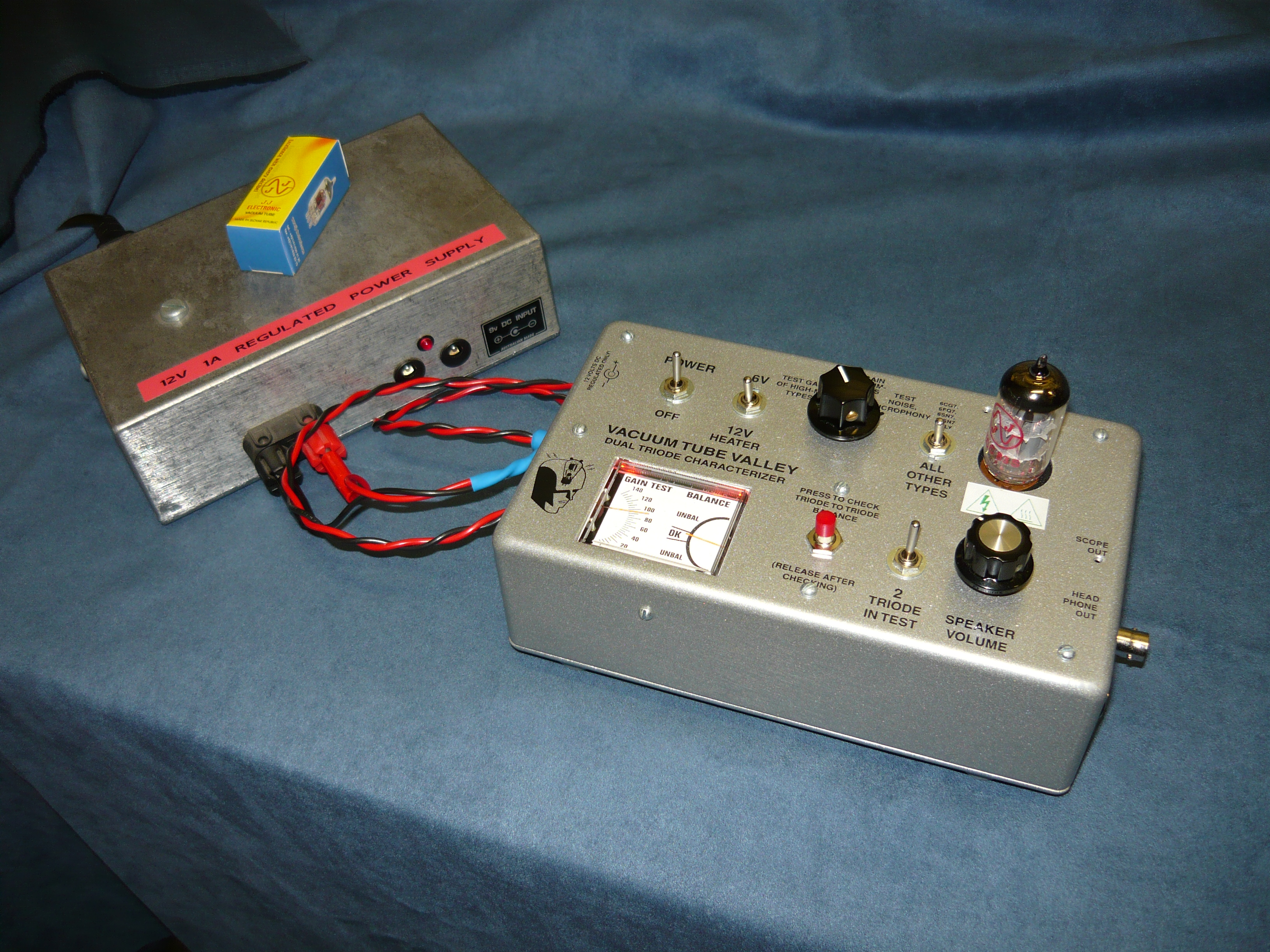
My most expensive test equipment acquisition (apart from the oscilloscope) is the VTV [Vacuum Tube Valley] Valve Characteriser, which tests and evaluates miniature 9-pin dual-triode preamp valves, including such common types as the 12AX7 [ECC83], 12AT7 [ECC81], and 12AU7 [ECC82]. Parameters under test include gain, noise and microphony, as well as the ability to select matched triodes. This device from VTV is no longer in production. This is the device shown in the first two photo’s.

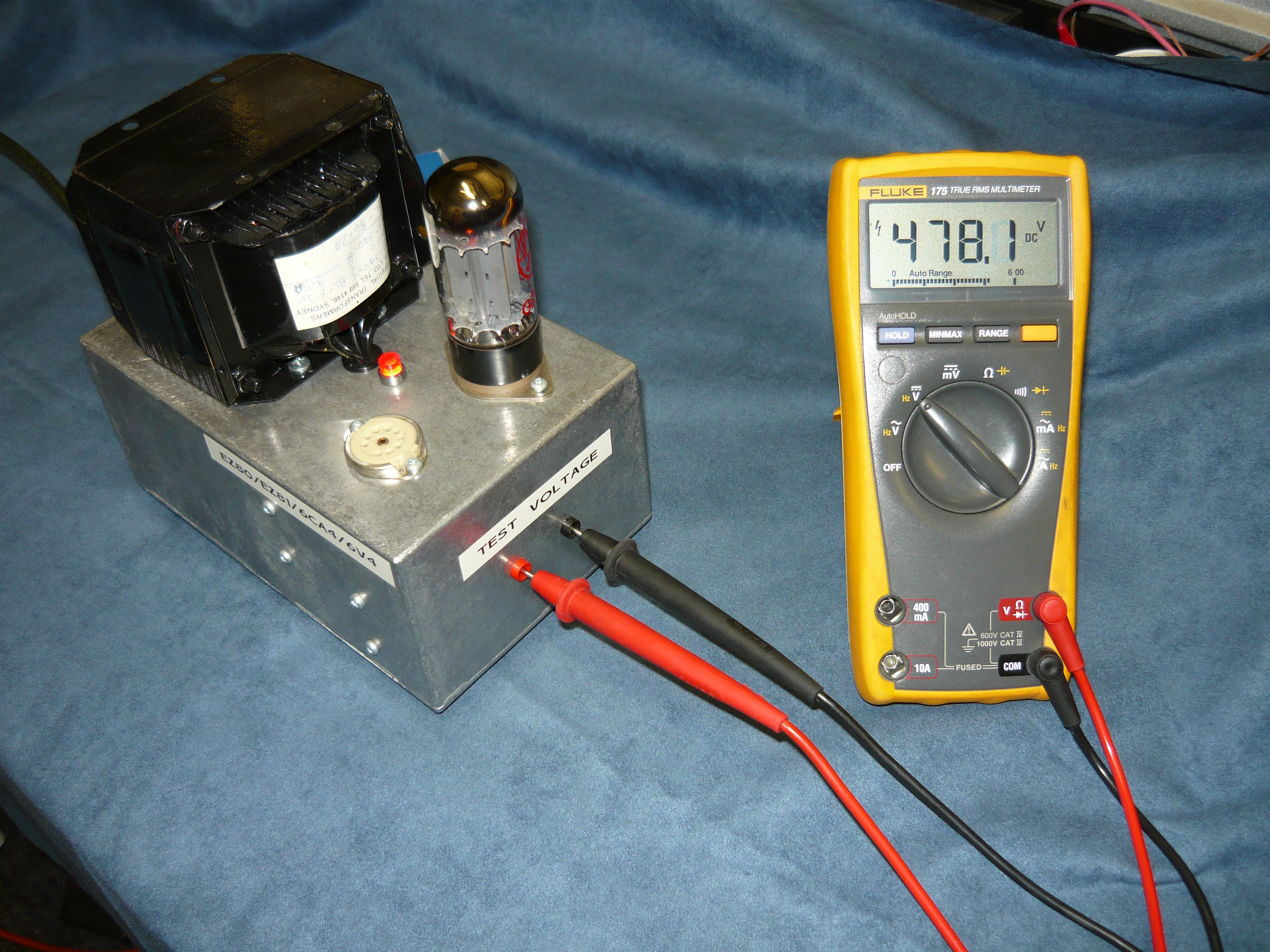
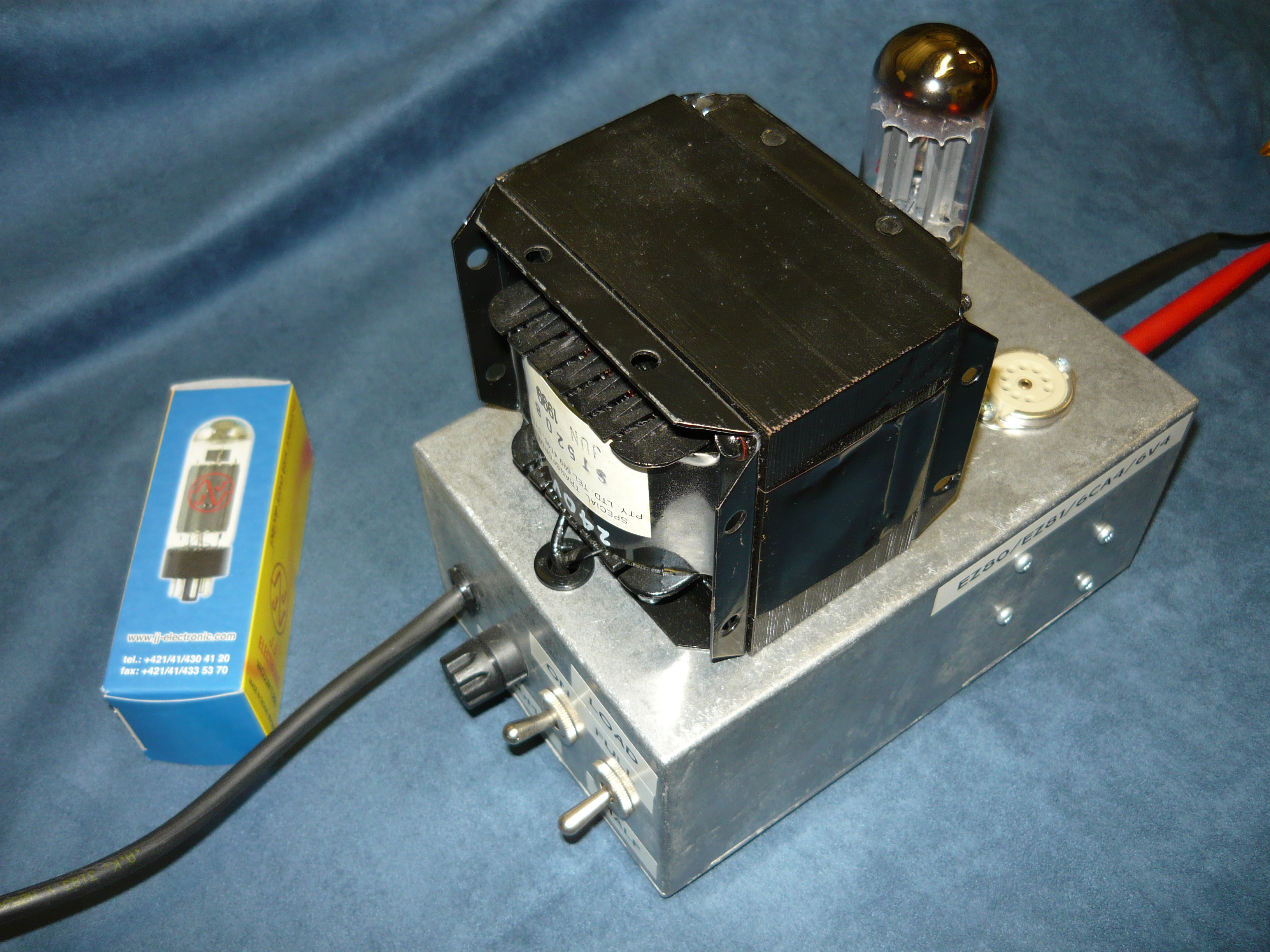
The other item shown in the third and fourth photo’s is an in-house, purpose-built rectifier valve tester, which tests both octal and miniature 9-pin rectifiers at high voltage, and under-load. Rectifier types include the commonly used 5Y3, 5U4 and 5AR4/GZ34 octal types, and the EZ81/6CA4 miniature 9-pin types, and also some more obscure types. As you can clearly see in the 3rd photo, this JJ-brand 5AR4/GZ34 is delivering 478V DC when lightly loaded.

In addition to the above test gear, I also have purpose-built testers [not pictured] for the miniature 9-pin 6BQ5/EL84 power output valves, which tests the valves at a reasonably high 390V DC, and lastly a tester for octal valves including the familiar 6CA7/EL34/6V6/6L6/KT66/6550/KT88 types, which tests the valves at the commonly used 460V DC. You can see that these testers look pretty low-tech !! I basically used whatever transformers I had leftover from servicing that would supply sufficient voltage and current for the job.

Well, that’s the BLOG for this week, hopefully we will have something different and interesting to talk about next week. Please visit us again on a regular basis !

A Matchless Spitfire Amplifier

May 27, 2011

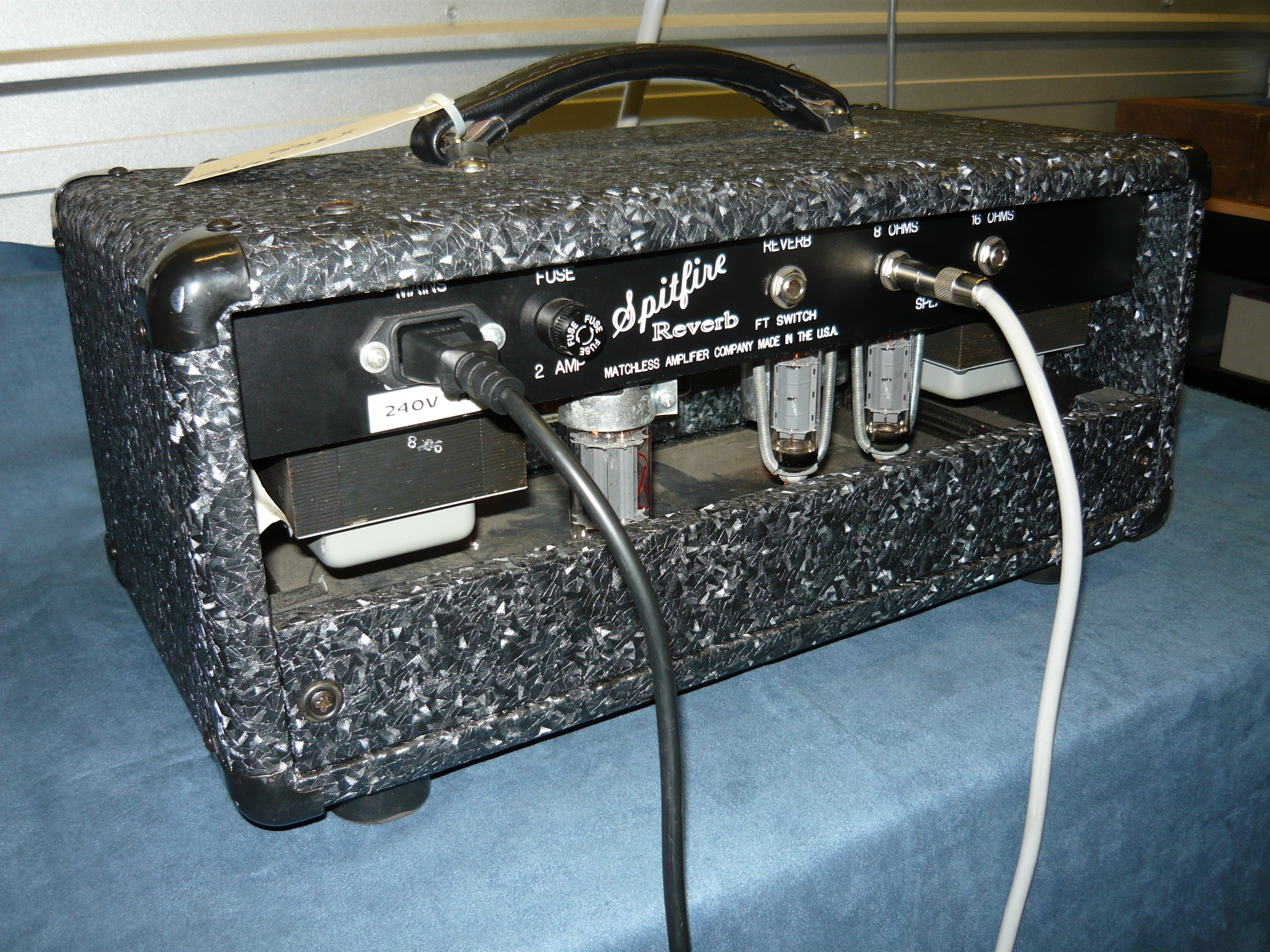
Yes, we specialise in the service and repair of boutique/hand-crafted valve [tube] musical instrument amplifiers, including Matchless and Bad Cat. This particular model is the Spitfire Reverb, rated at 15 watts – just volume, tone, reverb and master controls.

Unfortunately, one of the output valves, an EL84, went short-circuit [S/C] internally during a gig, destroying an associated component, and causing much embarrassment for the customer. I replaced the component, and at the customer’s request installed a matched pair of JJ EL84 valves in lieu of the brand which had failed. A power output test, electrical safety test, general checkover and final play test and this Matchless is ready to start gigging again.

By the way, this amp is bizarely presented in what can only be described as shower-curtain black tolex !!

This class of amp is 100% hand-wired with components mounted directly between valve sockets and tagstrips, earth busbars, and so on. Always take your boutique amp repairs to a service tech who is experienced in this technology and who also possesses highly developed soldering skills, so as to minimise the potential intrusive effects of service work on your amp’s performance and resale value. This comment also particularly applies to the hand-wired made-in-UK VOX amps of the 60’s/70’s and 80’s, which have many idiosyncrasies and require specialist knowledge and experience to bring back up to performance standard.

the Marshall model 1959 100 watt “Super Lead”

May 20, 2011

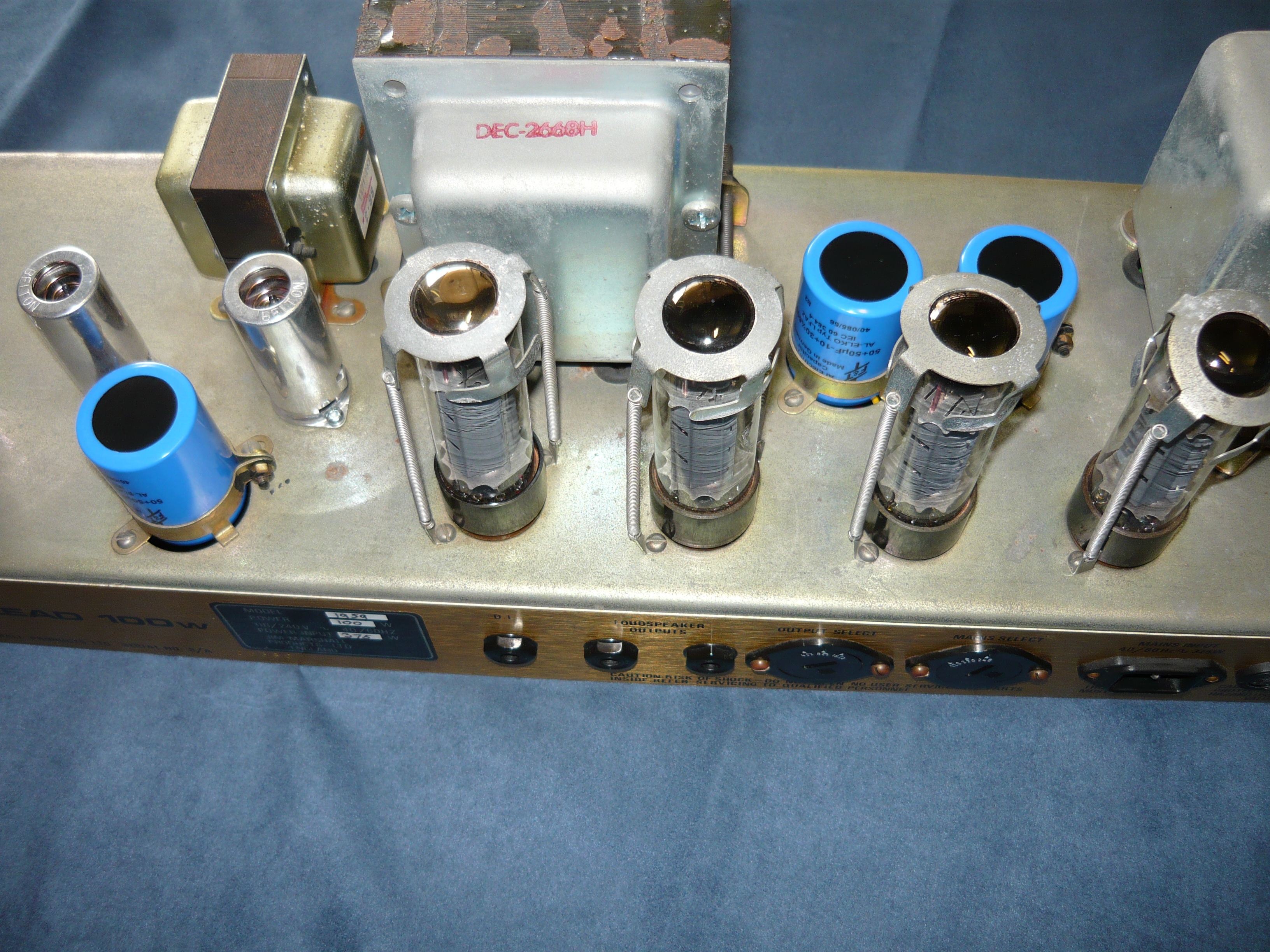
One of the most iconic guitar amplifiers of all time is the 100 watt Marshall “Super Lead” amp, model 1959: 4 inputs via normal & high treble channels with 3-band passive EQ & active prescence controls common to both channels. The 2 channels are often patched together for greater depth of tonality and greater control, like a “pre-EQ”.

Many purists believe that 1976 is round about the last year that the really great Marshalls were built. The hardliners think that anything built after 1973 is crap ! This particular example is the JCM800 version of the 1959 and it really sounds phenomenal ! Of course, it’s way too loud for most players, but the customer who owns this amp is putting together an Eddie Van Halen tribute, and this amp is perfect for the job.

Scott brought the amp in to bring it up to performance standard to facilitate rehearsals for the Van Halen tribute. The original intention was to install 3 x new 9-pin valve sockets to replace the 3 x really crusty sockets which were installed some years back by a less than scrupulous repairer.

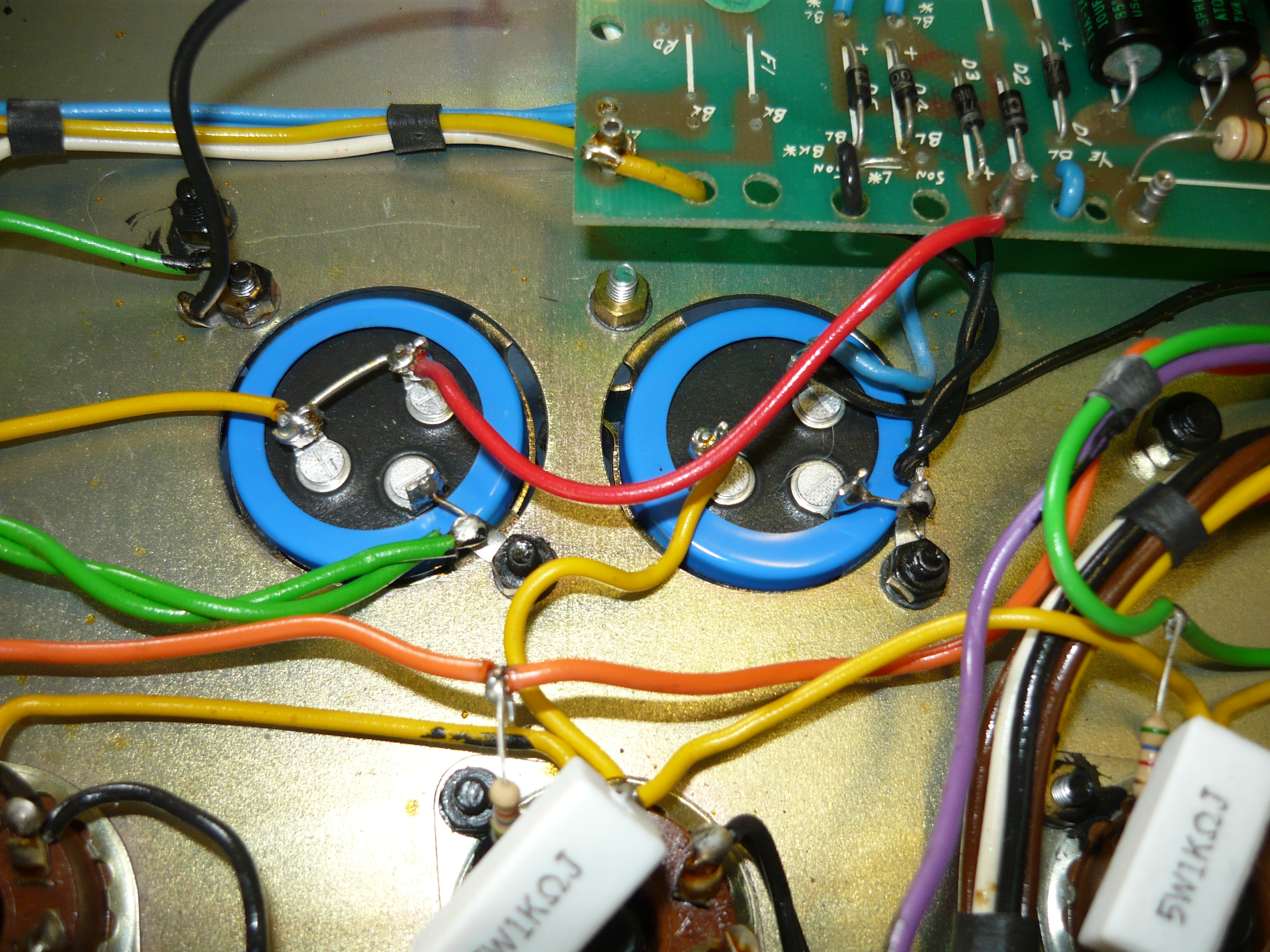
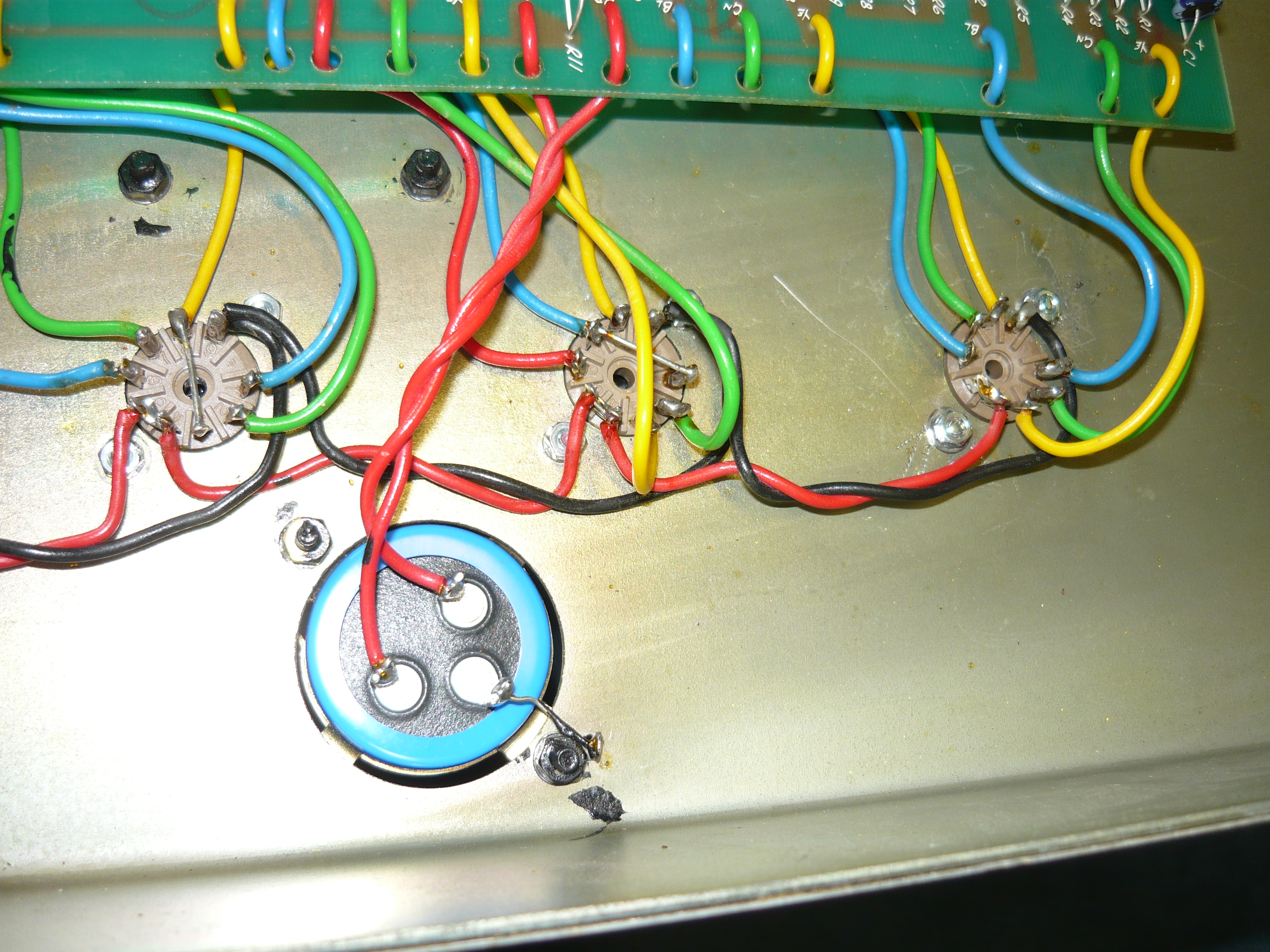
I soon discovered that the 12AX7 valves were weak, noisy and microphonic, so naturally I replaced these as well. As this is already a bright amp and microphony is an issue at such loud playing levels, I selected JJ 12AX7-S valves for the job. Then I realised that the 3 x can mounting 50+50uF/500V electrolytic capacitors were looking very crusty indeed, and were way overdue for replacement. I selected the very fine F&T (W. Germany) capacitors for this job.

The other important job to be done was replacing the 2 x bias supply capacitors, for this job the very best components are obviously the Sprague Atom 10uF/150v caps, which fit neatly into the available space on the board. After a rebias of the output valves, finally the amp is subjected to a power output test, burn-in test and electrical safety test.

My apologies for the crap photography, by the way ! The lighting in my workshop is hardly ideal for amp photos. Maybe I should do a TAFE course in digital photography. When Scott picked up the amp, he was suitably impressed with the neat rewiring job, and minimal obvious impact or intrusion onto the surrounding wiring and /or circuitry (wherever humanly possible).

Many thanks to Scott for his continued custom, and to Jim Marshall for the legendary JMP and JCM800 amplifiers.

Approved Service Centre for Swart Amplifiers

May 19, 2011

Yes, we are now providing service and repairs to products of the Swart Amplifier Company, USA. Like my own amps, and the Carr & Dr-Z amps that we already service, Swart amps are limited production, completely hand-wired, and “boutique” quality.

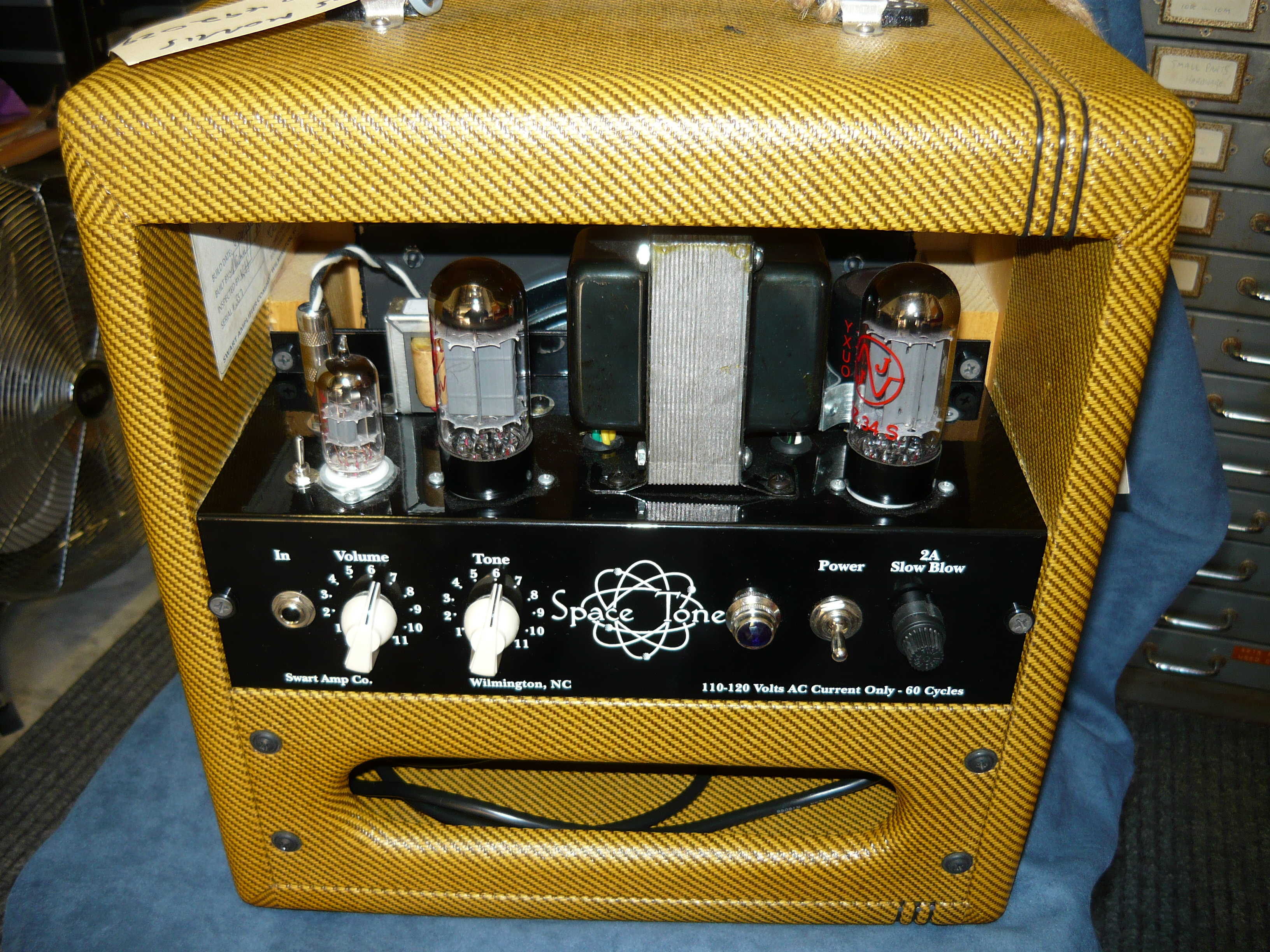
Pictured here is our very first repair job, a Swart “SpaceTone” amp. The 6V6 power output valve had gone internally short-circuit (S/C) and destroyed a component in the power supply, which created some smoke and a definite burning smell. I replaced this component with an uprated but electrically equivalent one and installed a new (tested) 6V6 valve. After a power output test, burn-in test, electrical safety test and final play test the amp is ready to hand back to the customer.

Swart amps are the brainchild of Michael Swart, and are obviously inspired by certain small amps from the 50’s/”tweed” era including various Supro, Champ, Princeton & Gibson models, primarily “single-ended” designs employing the 6V6 power output valve (tube).

This type of low-powered and extremely lightweight/compact amp is obviously gaining in popularity, now that many guitarists are playing primarily at home and/or with friends rather than at gigs. Personally I much prefer the dynamics and full-bodied tone of a larger and more powerful (push-pull) output amp and cab, and that is exactly the type of amp that I design and build – however I can state here that the quality of the build and wiring in these amps is excellent – far superior to the originals that inspired Michael Swart. I look forward to working on more of the Swart amp models.

A hard working Orange amplifier

May 13, 2011

As well as building my own amps, I also service most brands of musical instrument ampifier, in particular those empoying valve, ie tube technology.

As an example here is an Orange (made-in-UK) AD30 amp that has had a hard working life and arrived at the workshop with blown fuses, missing control knobs, and general wear & tear from life on the road. Orange amps have always enjoyed a higher standard of construction & assembly than many commercial brands, going right back to the late 60’s. Originally they were a fairly clean, bright & very loud sounding amp favoured by the blues/rock players of the time, but more recently they have developed a more grungy flavour, very “British” in character. Orange also produce an all-valve 200 watt bass amp head utilising a quartet of 6550 valves, which is worth checking out.

This amp required a re-valve, replacement of fuses, replacement of missing knobs, cleaning of pots & jacks, a general tighten up & clean up, and most importantly an electrical safety check. Every amp that is serviced in my workshop undergoes electrical safety inspection and testing as described in the Australia/New Zealand Standard AS/NZS 3760, and WorkCover NSW Code of Practice.

The repair work having been completed, the amp is subjected to a power output test and a burn-in test, connected to an appropriate load, eg a THD Hotplate device, and monitored on an oscilloscope and true-rms reading digital voltmeter (DVM). Finally, the musician in me takes over and the amp is connected to my workshop speaker and I give the amp a final play test.

After having cooled down, the amp is boxed up and returned to the customer in Sydney, ready to rock & roll !!

More amp repair examples to come as time permits – IR.

Introduction.

April 18, 2011

HI !     This is Ivan Richards and I am now inroducing myself for the first time on my new BLOG.

I come from a musical family going back several generations. My great grand-parents emigrated from London, England to set up in Sydney as music and singing teachers. My dad, Jack Richards, held down some of Australia’s top pro guitar gigs during the 40’s and 50’s, co-founded Sydney’s first specialist guitar shop (Guitar City), was responsible for arguably the world’s first production pedal steel guitar (Kord King), most definitely played the first pedal-steel in Australia, and is the Godfather of Aussie pedal-steel.

My obsession with all things to do with music and audio electronics began in High School where I was exposed to the guitar music boom of the 60’s and was influenced by some slightly older pupils at that school who had become very sophisticated in the field of electronics to the extent of creating an in-house radio station. I couldn’t wait to finish school and start learning some practical hands-on stuff. I joined the then PMG Department, later known as Telecom/Telstra as a technician-in training and became part of the last generation to be trained in vacuum tube (valve) technology, which was still in widespread use. This training was to become invaluable later. I had access to cupboards full of valves, resistors & capacitors and started trying to build my own guitar amplifiers. I worked my way through the technical career structure, qualifying as a Technican (Telecommunications), then being appointed to positions including Technical Officer, Senior Technical Officer, Technical Specialist/Designer of Audio & Data Services (Analogue & Digital), Customer Project Manager. During all this time I was operating my amplifier business from home, after-hours, and building up a customer base as well as accumulating years of hands-on experience. When the opportunity arose I left Telstra and became a full-time musician and amp tech.

So that brings us up to April 2011 !  Apart from gigging professionally (guitar & vocals) based here in Gosford NSW,  I operate my own one-man workshop specialising in the repair, restoration, modification and custom design/manufacture of valve (tube) musical instrument amplification. I also design and manufacture a range of analogue guitar FX and splitter/signal routing pedals. I am pleased to say that my pedals have been purchased and are being used by the creme de la creme of the Aussie contemporary music scene.

I have been servicing valve (tube) audio equipment now for over 30 years and have worked on most brands and models from the late 50’s/early 60’s to current production. I can restore your amp to correct and original working order, removing unwanted and often dubious modifications and correcting previous servicing mistakes and poor workmanship. I also service some solid-state equipment, please contact me for details.

Quality workmanship and components will always be my first priority, with a strong emphasis on electrical safety.

I have also been playing guitar in bands and duos for over 30 years and have always designed, built and used my own amps and pedals. All this experience has given me the edge when it comes to working on your gear !!

Ivan.