Archive for July 5th, 2014

Servicing the Carr ‘Sportsman’ amp in Australia

July 5, 2014
the Sportsman logo

the Sportsman logo

We have had a relationship with Carr amplifiers of North Carolina, USA, going back several years to when the former Bondi Intermusic Australia began importing these amps. Of course Bondi is long gone, so therefore we are no longer the national warranty service agent as the brand has been taken over by another distributor. However, with the full approval & support of Carr USA, we are still providing post-warranty after-sales-service to the entire range.
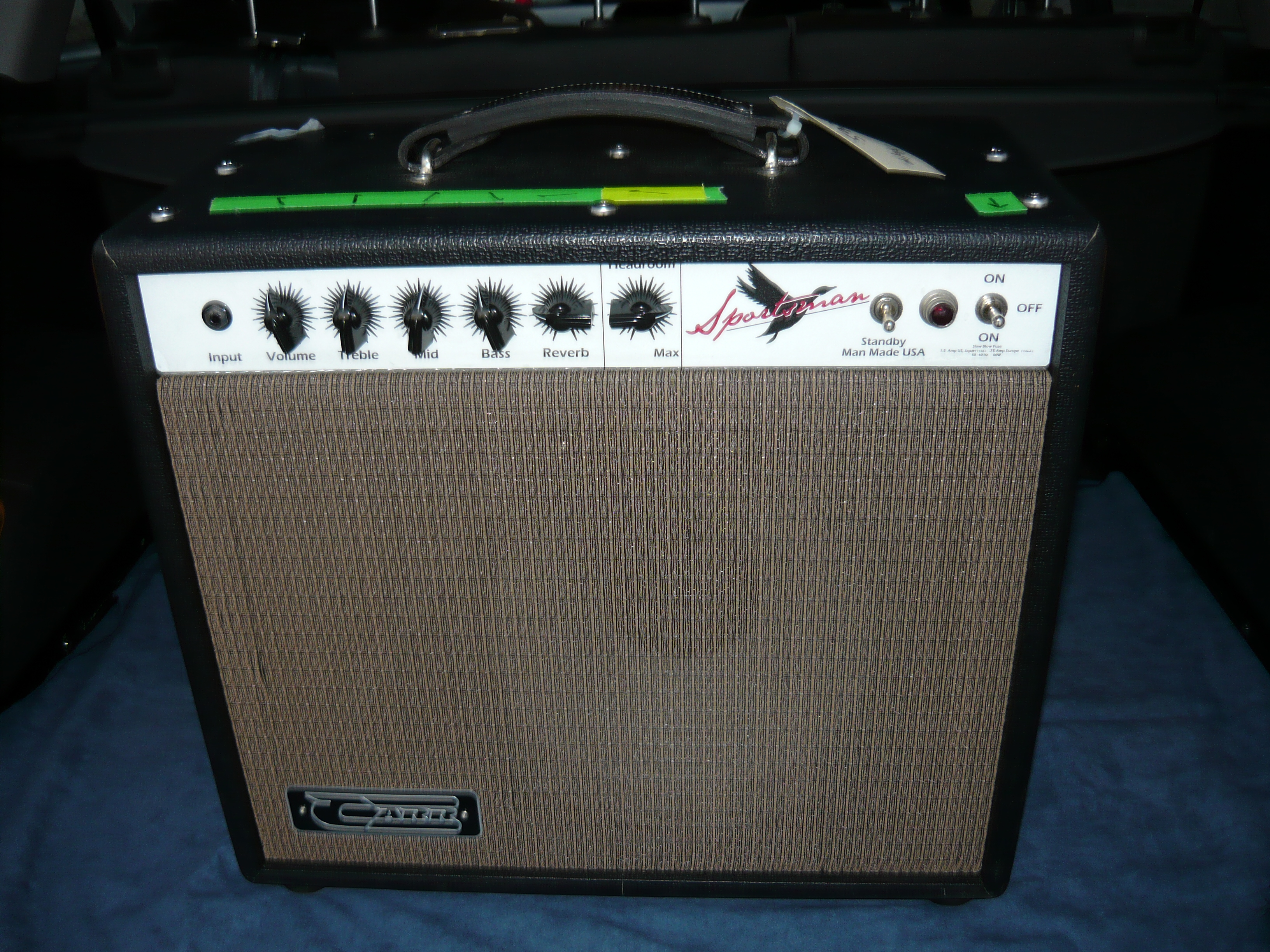
the Carr Sportsman 1x12 combo

the Carr Sportsman 1×12 combo

We have previously published blogs re the Carr Artemus and other models in the range. The Sportsman model is a relative newcomer to Australia, and this is our first servicing experience with this model, for new customer Matt. The design of the Sportsman follows on from Carr’s most successful models, being somewhat like a hot-rodded “blackface” Princeton Reverb amp. That’s the best way we can describe it, although there are some differences, particularly in the phase-inverter and power amplifier circuits.
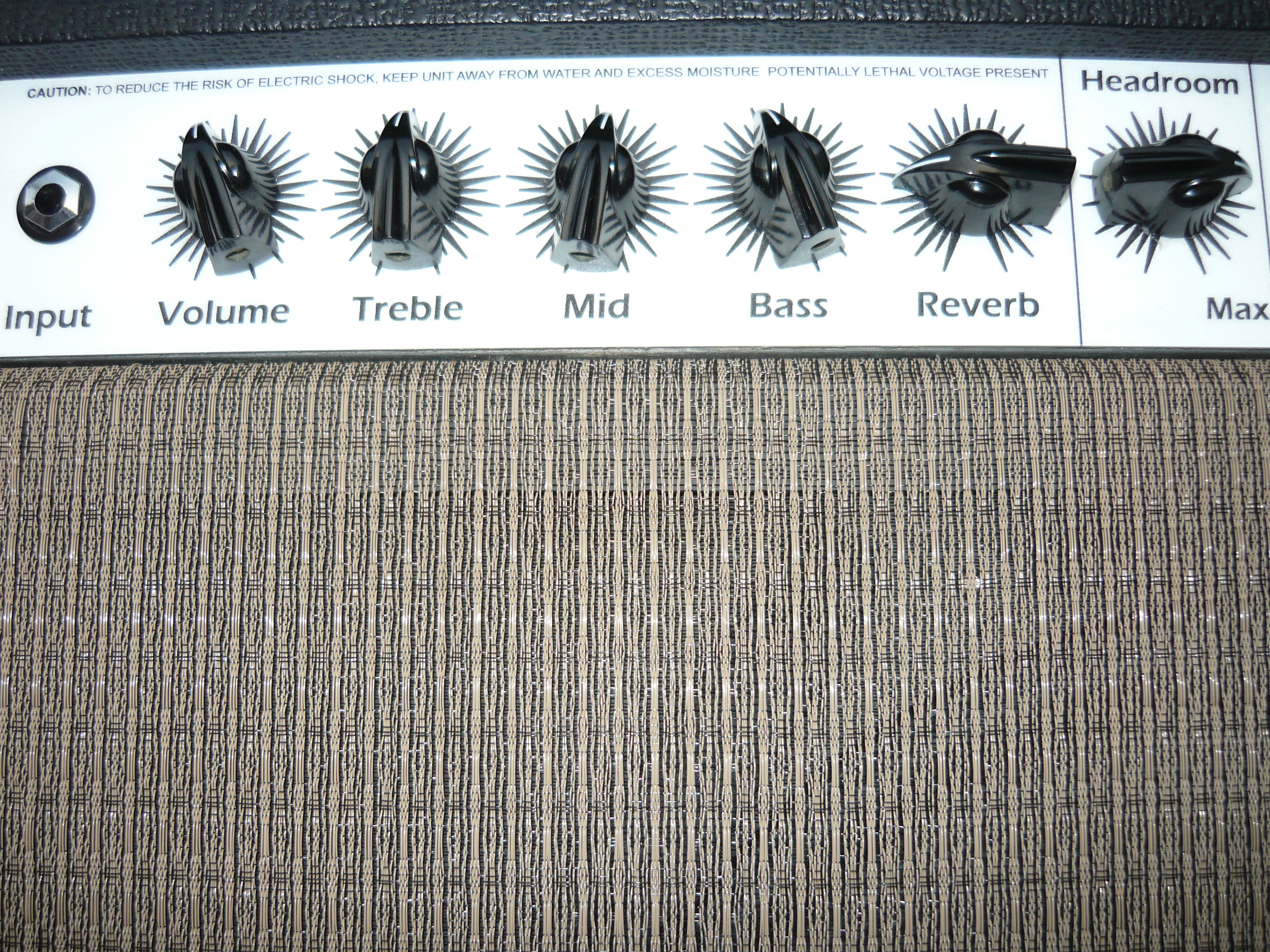
the Sportsman front panel

the Sportsman front panel

The power amplifier is designed around a pair of 6V6 output valves, employing a form of compound bias – combining both fixed bias & cathode bias, with a power output @ the onset of clipping of about 16 watts into a 16 ohm load. This arrangement seems to work well in practice, although when Fender (as a division of CBS) tried something similar in the late 1960’s the results sounded so bad they had to implement a redesign of the “Silverface” models.

the Sportsman from the rear

the Sportsman from the rear

The power supply uses solid-state rectification, as opposed to valve (tube). The “headroom” control is actually a master volume with some tone shaping, following on from the final preamp gain stage. As per the Two-Rock amp discussed in the previous blog, this control is intended to manage the gain structure of the amp, rather than introduce distortion, hence the “headroom” label.
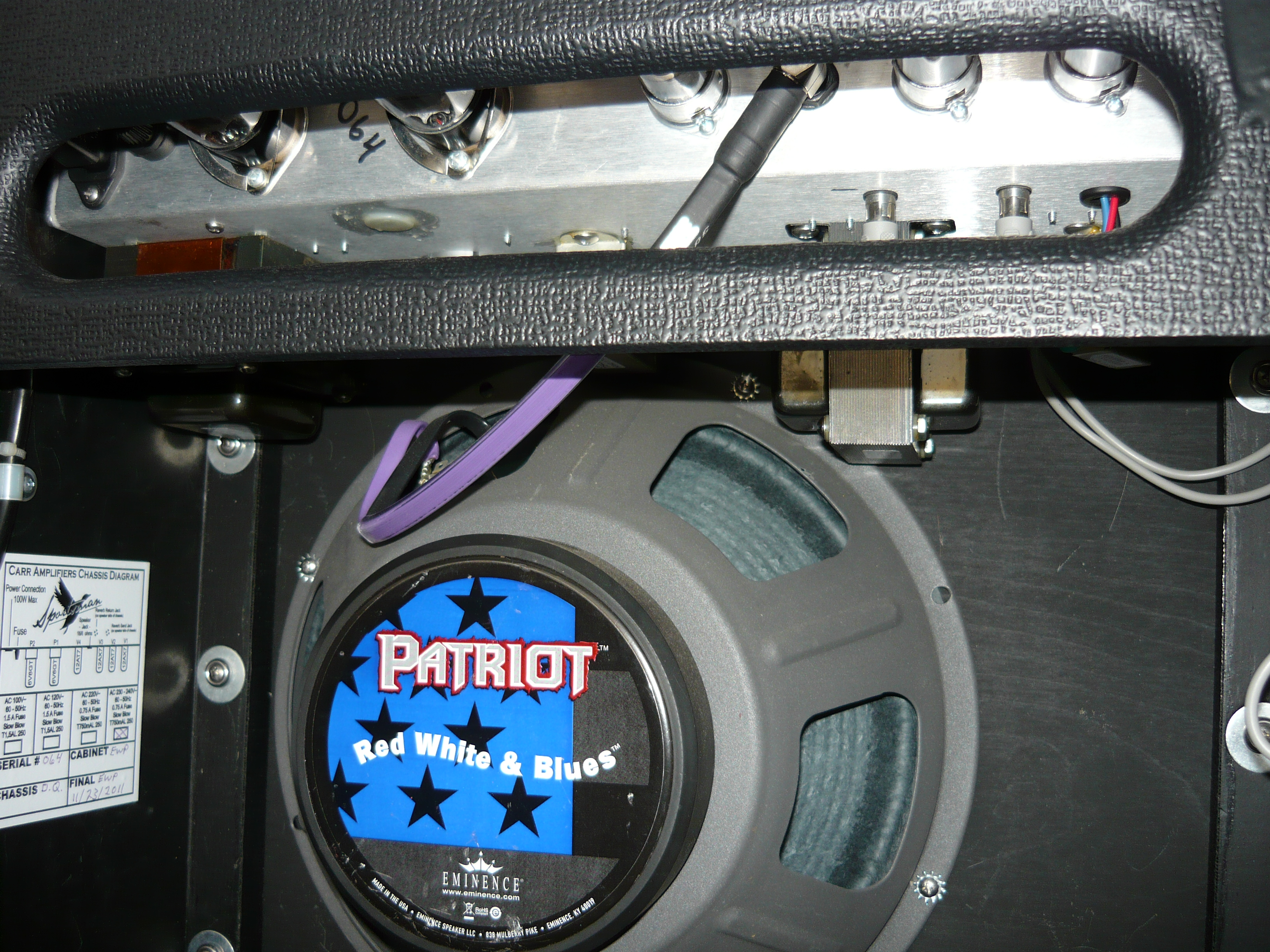
Sportsman chassis & speaker

Sportsman chassis & speaker

The reverb on this amp is exemplary, which is a real contrast with the many current production guitar amps offering really poor reverb !! There is no tremolo on this model. The chassis is completely hand-wired. Matt reported that although the amp was still functioning, the sound of the amp had deteriorated markedly. We examined the interior of the chassis looking for any signs of component failure or drift, but chassis checked out A-OK.
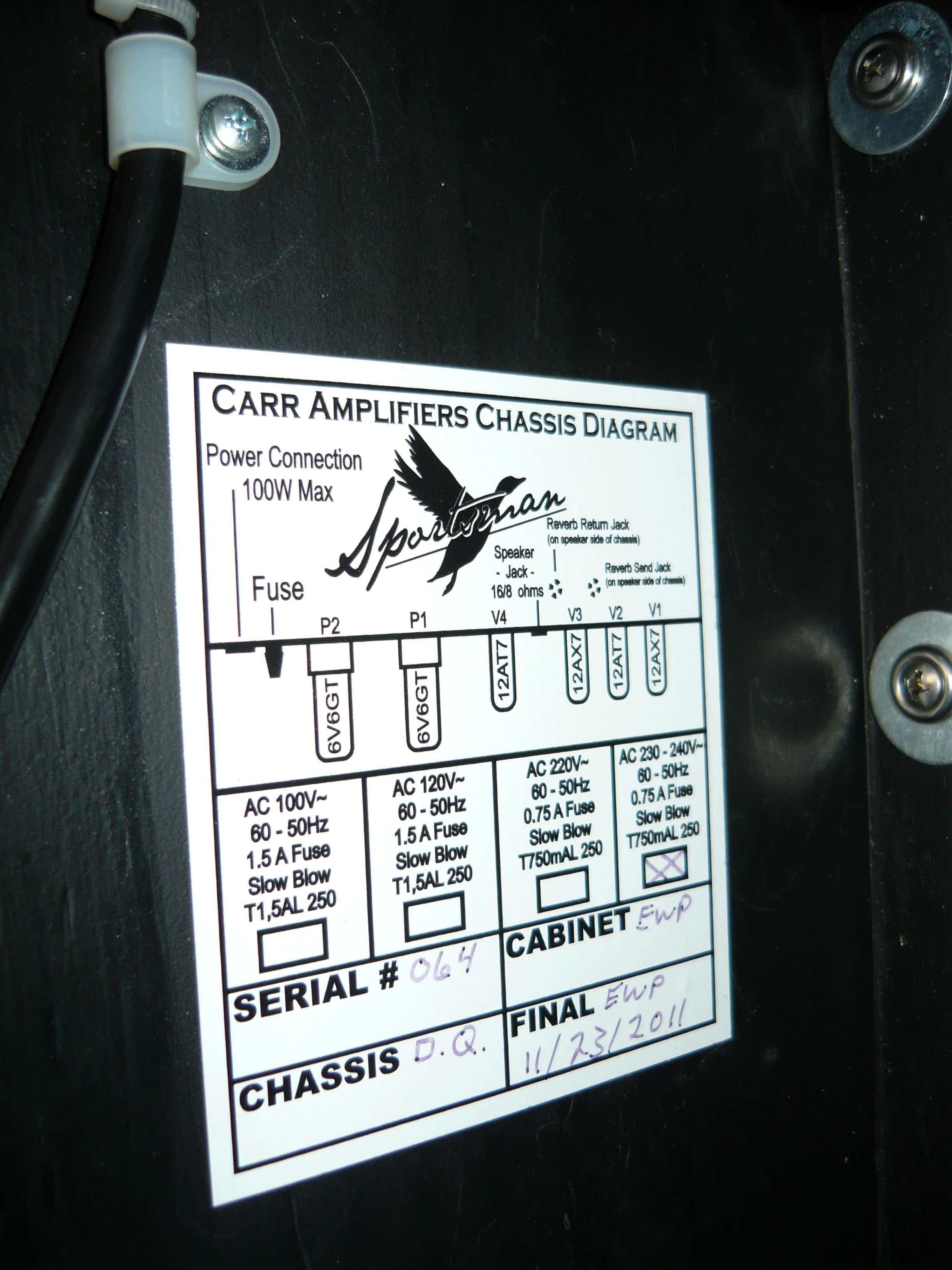
Sportsman 006We carried out a full re-valve and once more the Sportsman was delivering the kind of attitude that Matt was missing. The one and only concern we might have with this amp is the minimal ventilation for the horizontally mounted 6V6 output valves, which are biased to run quite hot. We have to thank new customer Matt for providing us with the subject matter for this blog. I think the only remaining question for Australian guitar players would be – could you buy an amp with a duck on the front panel ??    IR.
Sportsman 008

Service centre for Two-Rock amplification in Australia

July 5, 2014
Two Rock 001

Two-Rock EXO15

Hello and welcome back to the blog after a long break. We are now offering world-class (non-warranty) service & repairs to the range of valve (tube) amplifiers from Two-Rock guitar amplification of California, USA. We should point out that we have no official relationship with Two-Rock Amplifiers, so we cannot accept any warranty repair claims without the endorsement of their Australian distributor.

Two-Rock EXO15

Two-Rock EXO15

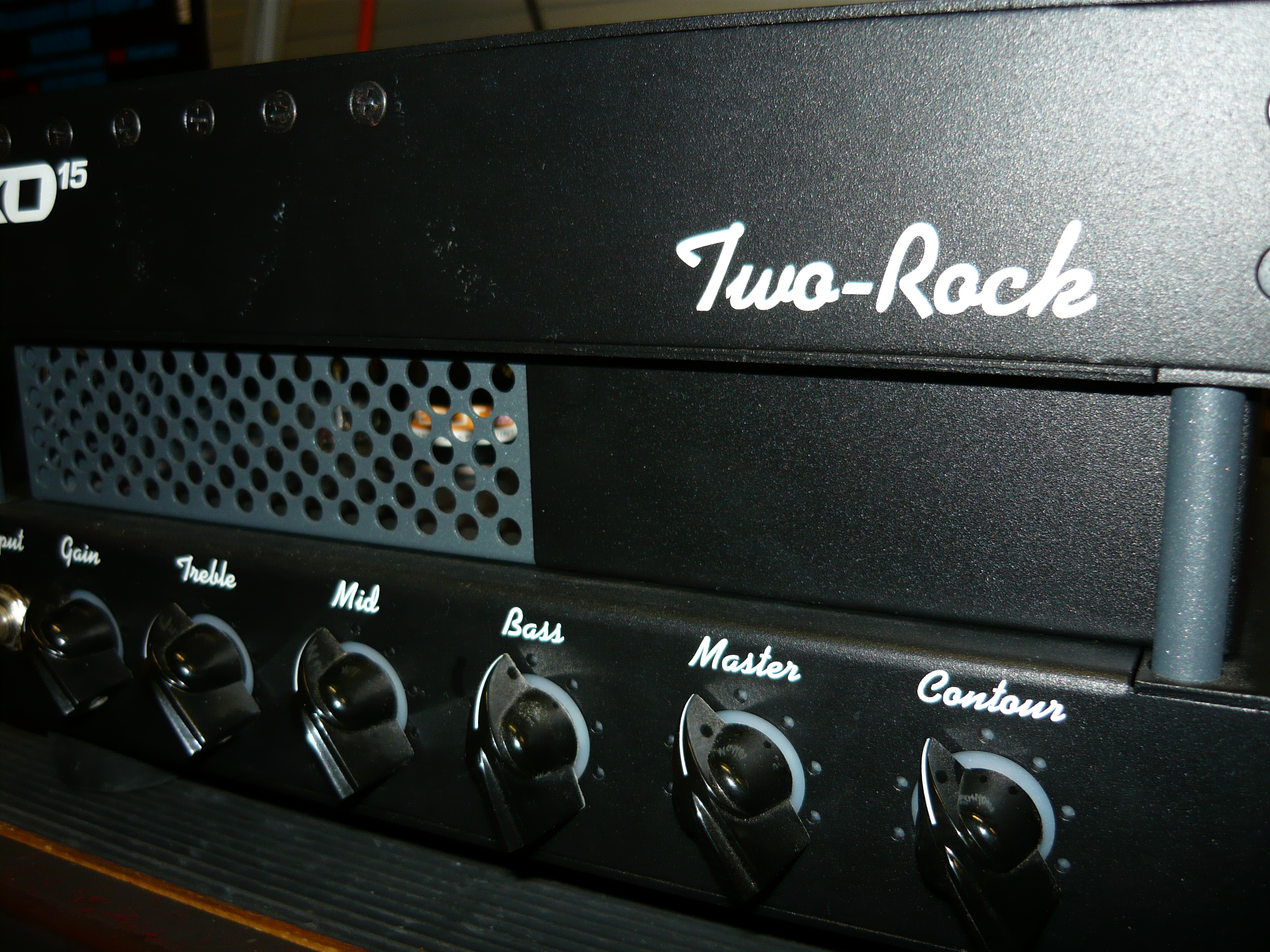
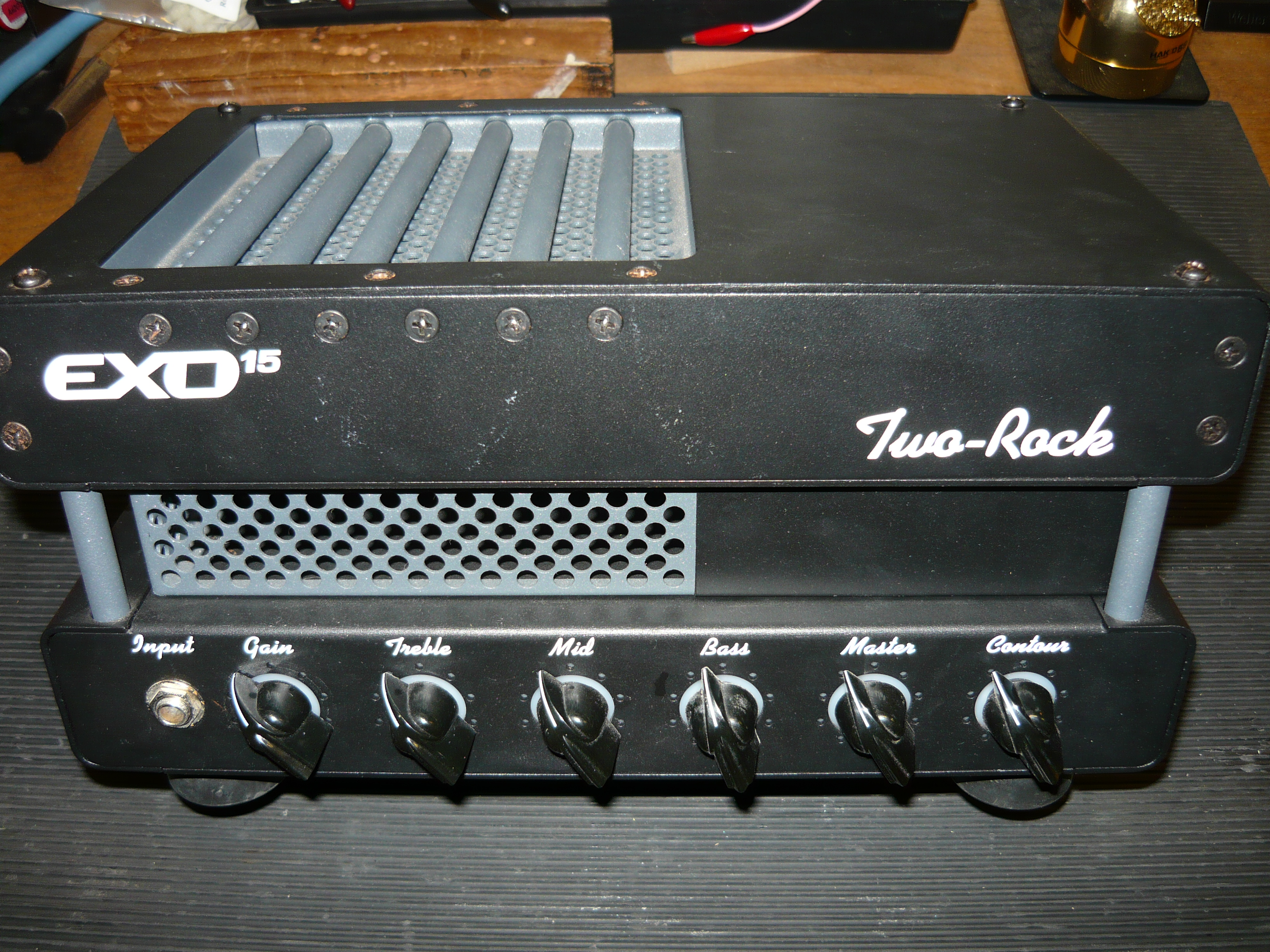
We recently serviced the Two-Rock EXO15 head (serial # 62) for Sam, one of our regular customers – the amp is featured in the accompanying photos. Sam advised us that the amp ‘just stopped’, which is a fairly common amp fault description, and in most cases would suggest a valve (tube) or other component failure, or at least a blown fuse.


6V6 powered EXO15

6V6 powered EXO15

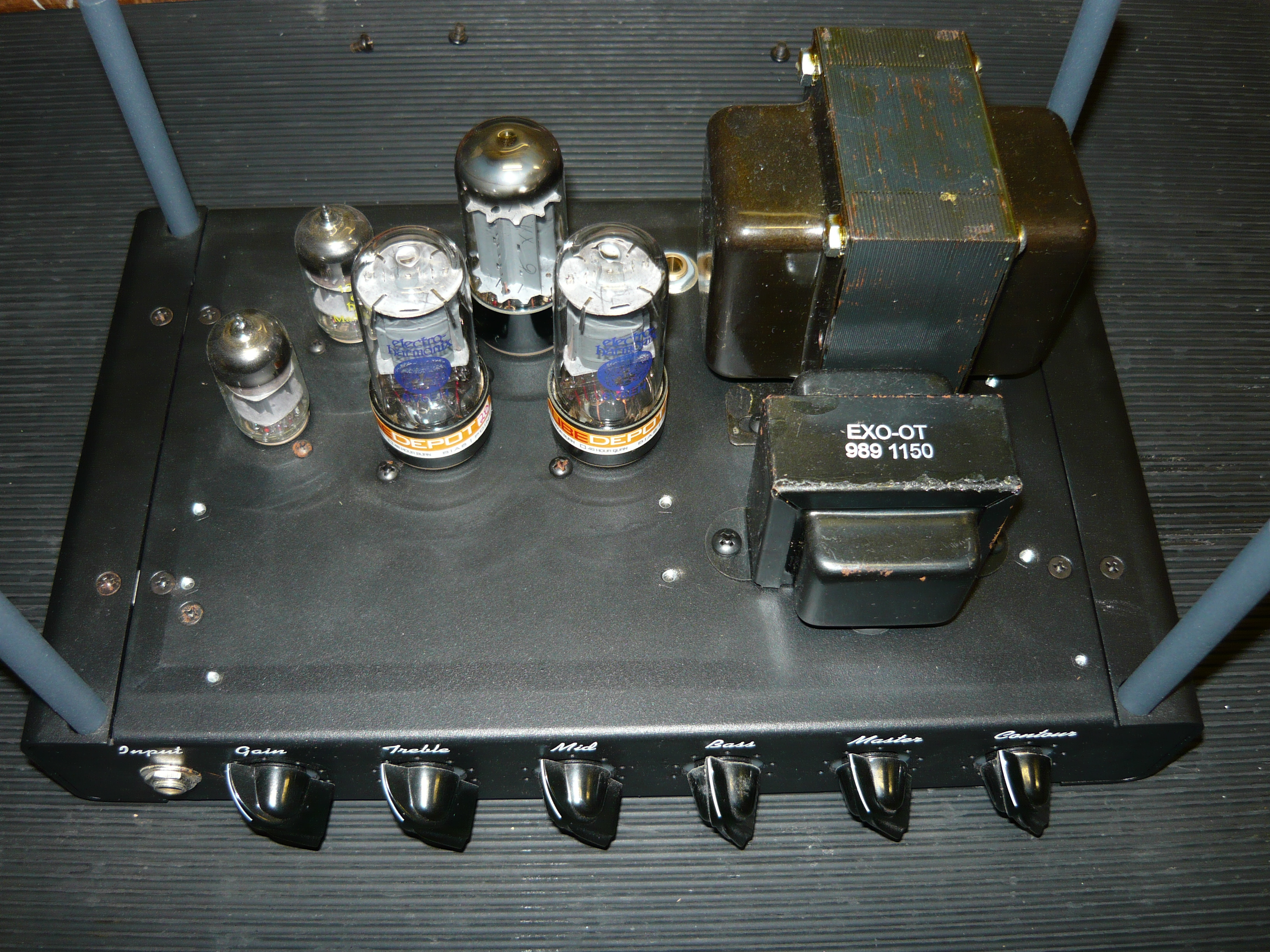
The EXO15 is a single-channel, 15 watt 6V6 powered and valve (tube) rectified class AB amp, designed in an all-metal enclosure,  with a pair of 12AX7 preamp valves (tubes), one of which functions as the phase-inverter. The preamp design is somewhat similar to the “clean” channel in a Dumble guitar amp, as per the Two-Rock heritage, and the 3-band passive EQ is also voiced along similar lines.

5AR4/GZ34 rectifier

5AR4/GZ34 rectifier

The master-volume is placed directly after the 2nd gain stage, and is therefore intended more for managing the gain structure than generating massive amounts of distortion (a design approach which we endorse). The master feeds a passive FX Loop, for time-based FX devices that can accomodate line levels. In spite of the name & description, the “contour” control is in this case a simple passive high frequency roll-off, as per the vintage VOX AC15/AC30 amps. We heartily endorse the inclusion of a GZ34/5AR4 valve (tube) rectifier in an amp of this power rating.

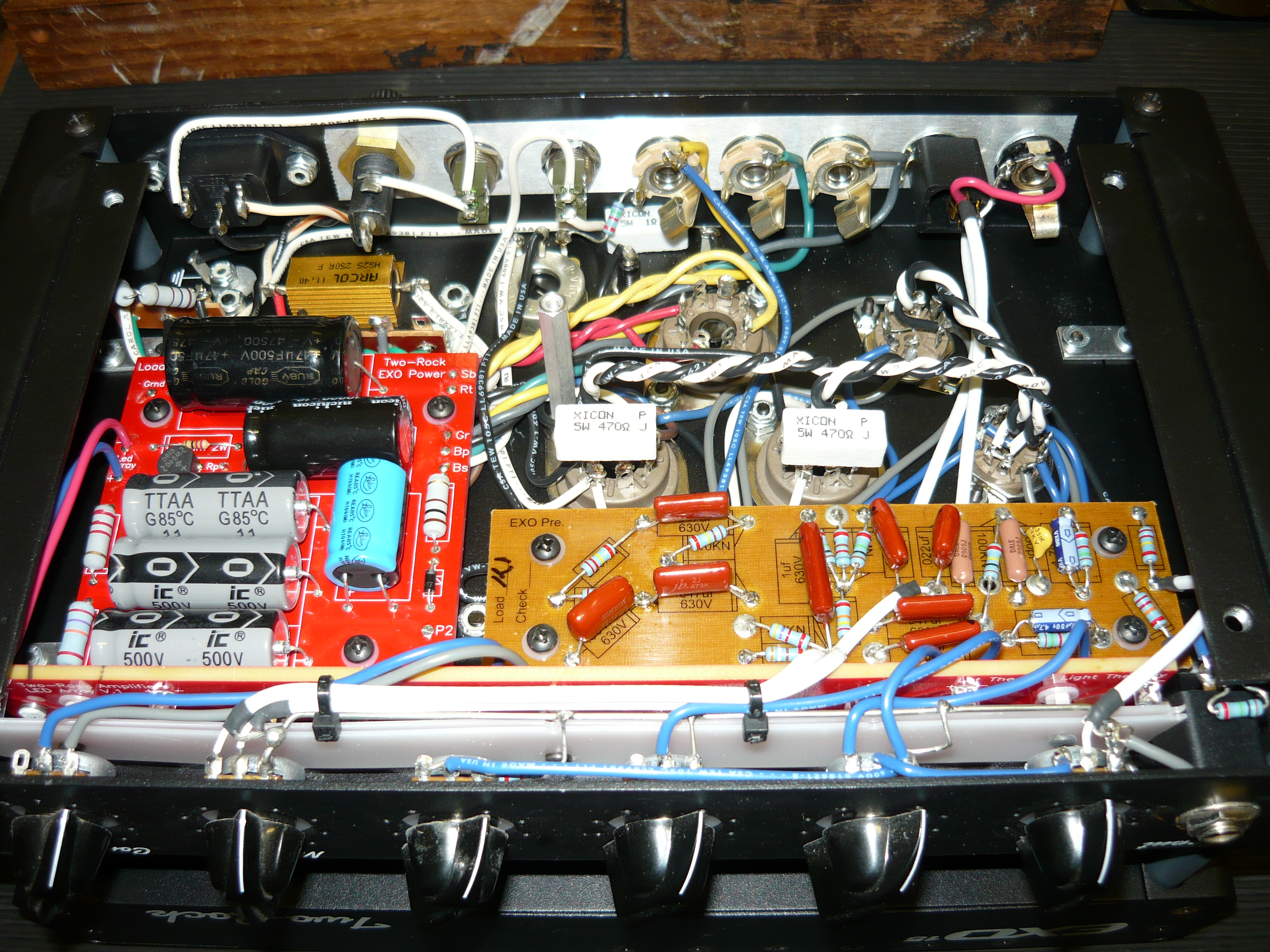
under the chassis view from the front

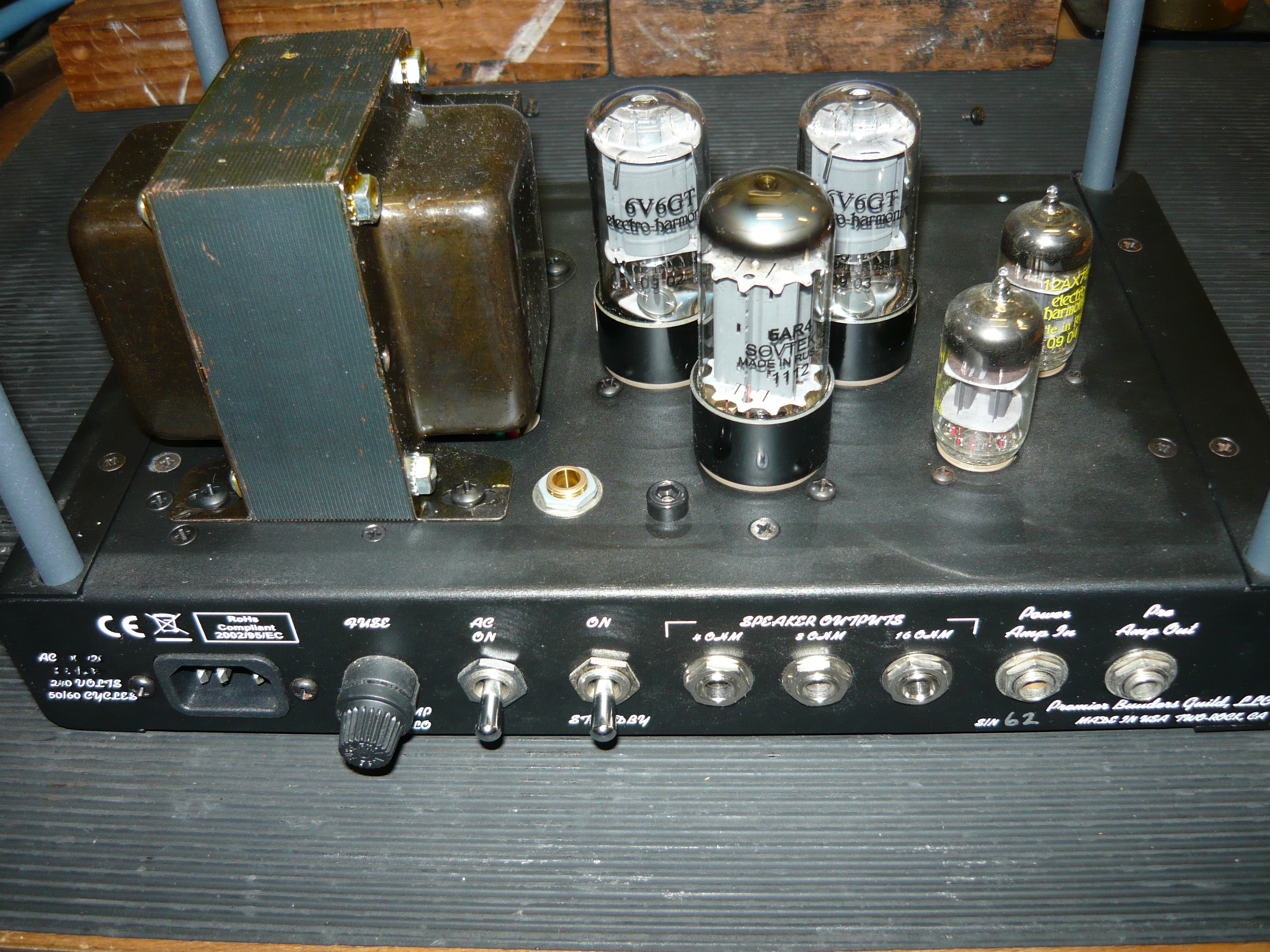
under the chassis view from the rear

Anecdotal evidence from the customer suggests this hasn’t been a particularly reliable amp. As this is our first service job on this particular amp, we are not familiar with its previous service history. Assembly is a combination of circuit boards and hand-wiring. All connections to valve sockets, jacks/pots/etc are hand-wired which of course we endorse. Components are of commercial standard but not “boutique” standard, with no apparent design problems.

under the chassis view from the front

under the chassis view from the front

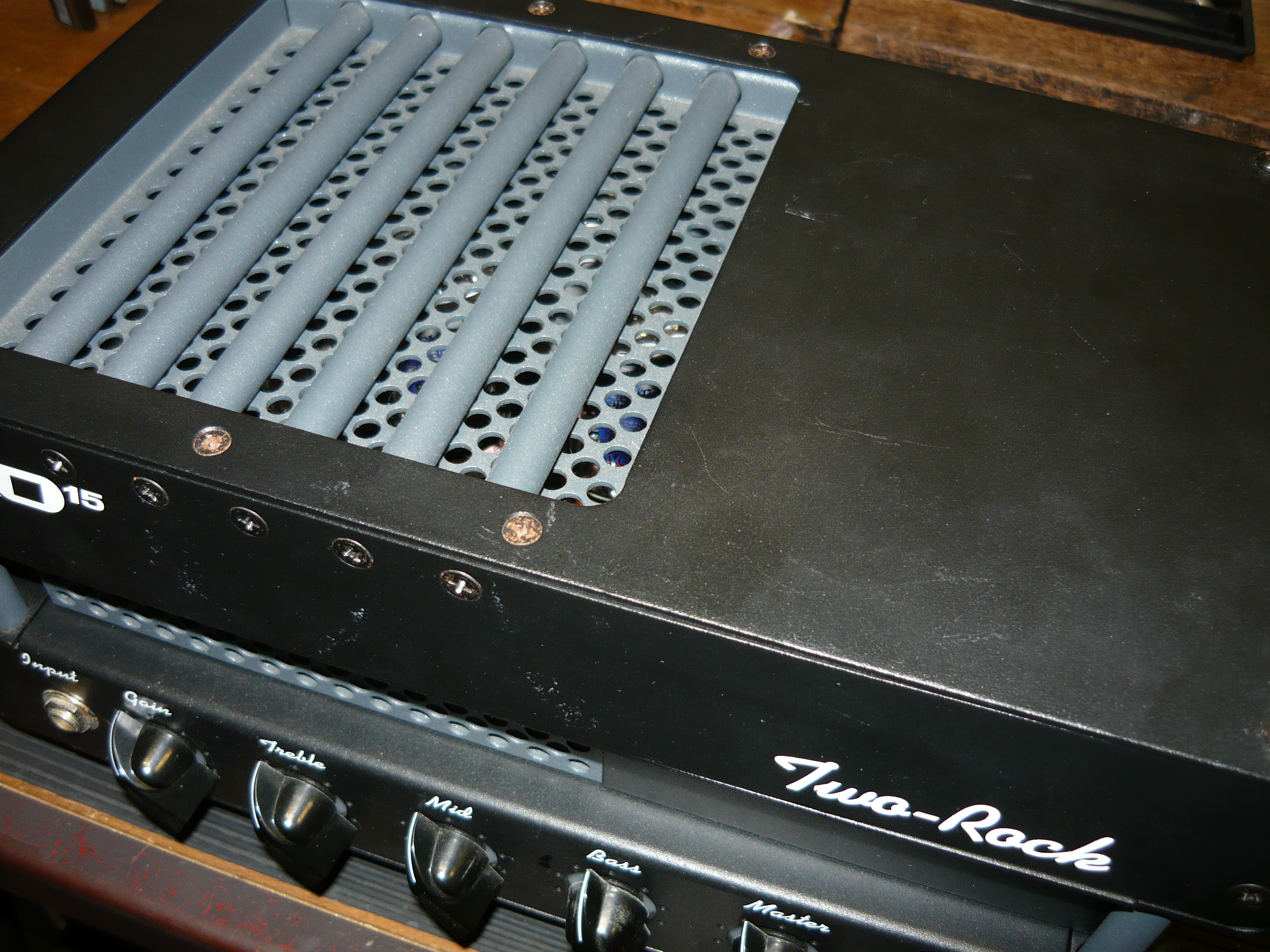
We replaced the blown mains fuse, and also the output valves & rectifier valve just to be on the safe side. Our initial choice of JJ 6V6 output valves was not a success, as they are too tall for the cover to fit back on !! We ended up installing a matched pair of 6V6GT by Electro-Harmonix, which have been pretty reliable at the voltages within this amp (+440V DC in our Wyoming NSW workshop). We rebiased for a sensible current draw with the 6V6’s (this may have been the problem all along ??), and measured the power output @ the onset of clipping = 22 watts.

ventilation grille at the top of the reassembled enclosure

ventilation grille at the top of the reassembled enclosure

We were looking for any other factors which may have contributed to the unreliability factor, at Sam’s request. When we looked at the speaker output jacks (4, 8 & 16 ohms), we were really disappointed at the nondescript quality of the jacks installed, and their current condition. We installed a trio of the very fine Switchcraft jacks, which grip the speaker plug very firmly for a positive connection. H/R (high resistance) or O/C (open circuit) speaker connections can cost you not only your output valves, but potentially also your output transformer. Always use the best available jacks & plugs for such critical connections.

Thankfully, no further problems have been reported with this amp. Many thanks to Sam for his continued custom, and for supplying us with the subject for this week’s blog !   IR.