Archive for March, 2014

the mighty HIWATT DR103

March 30, 2014
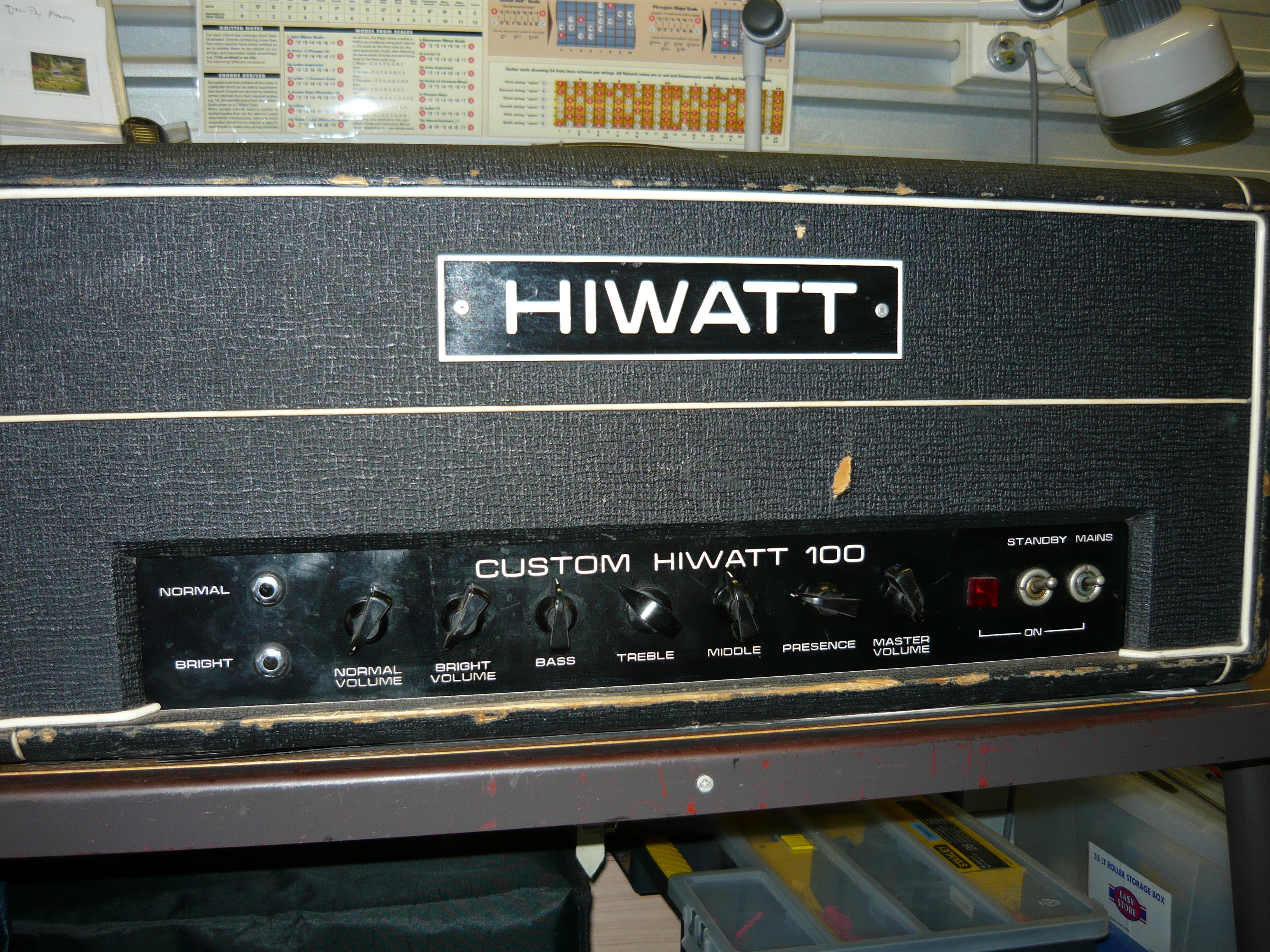
Hiwatt DR103 serial 12465 April 1978

Hiwatt DR103 serial 12465 April 1978

Hello & welcome back to our blog. We recently carried out service & repairs to a 1978 Hiwatt [UK] DR103 amplifier which obviously has had a long & hard working career in rock & roll bands. This DR103 is the 2-input model with active mixing of the normal & brilliant channels, as distinct from the late 1960’s/early 1970’s 4-input model with passive mixing of the two channels. We suspect that both versions of this model have their fair share of admirers.

DR103 front view of chassis

DR103 front view of chassis

This amplifier was working but had issues with microphony and very scratchy pots – some pots had dead areas on their sweep, so were barely useable. The amp had been modded by persons unknown further back in its history. The high frequency response of the brilliant channel had been boosted to ear-drum shredding levels, and was to all intents & purposes unuseable. Apparently the previous owner had only ever played on the neck position humbucking pickup of his 335 style guitar, hence the need for extreme high frequency pre-emphasis.

1978 Custom Hiwatt 100

1978 Custom Hiwatt 100

In addition to this problem, the amplifier had high levels of hum & noise. We started out by giving the chassis a quick clean up and tightened up a loose transformer. We checked the fuses, and as is so often the case in older amps, they were not offering any protection at all as they were the wrong values ! We installed new fuses, carried out an electrical safety check [PAT test], then moved on with the main part of the service.
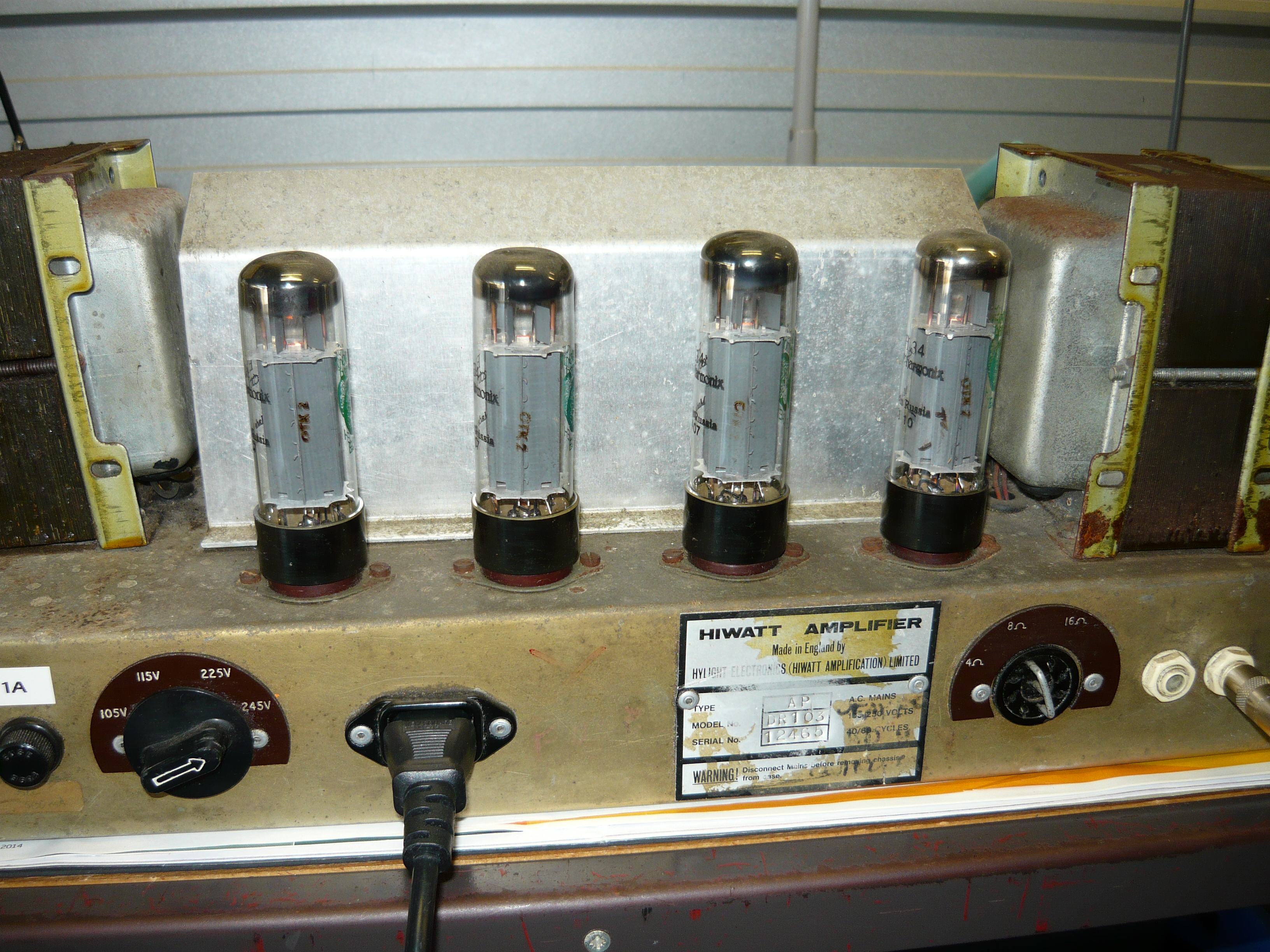
DR103 chassis rear view

DR103 chassis rear view

All pots [excepting bass & treble] were in very poor or damaged condition, so we replaced them with those excellent CTS pots. One source of unwanted noise came from the input jacks – they weren’t shorting to earth [ground] when the guitar lead jack plug was removed. We cleaned all input & output jacks, plus the 9-pin valve sockets with DeOxit, which corrected the remainder of the intermittent problems.
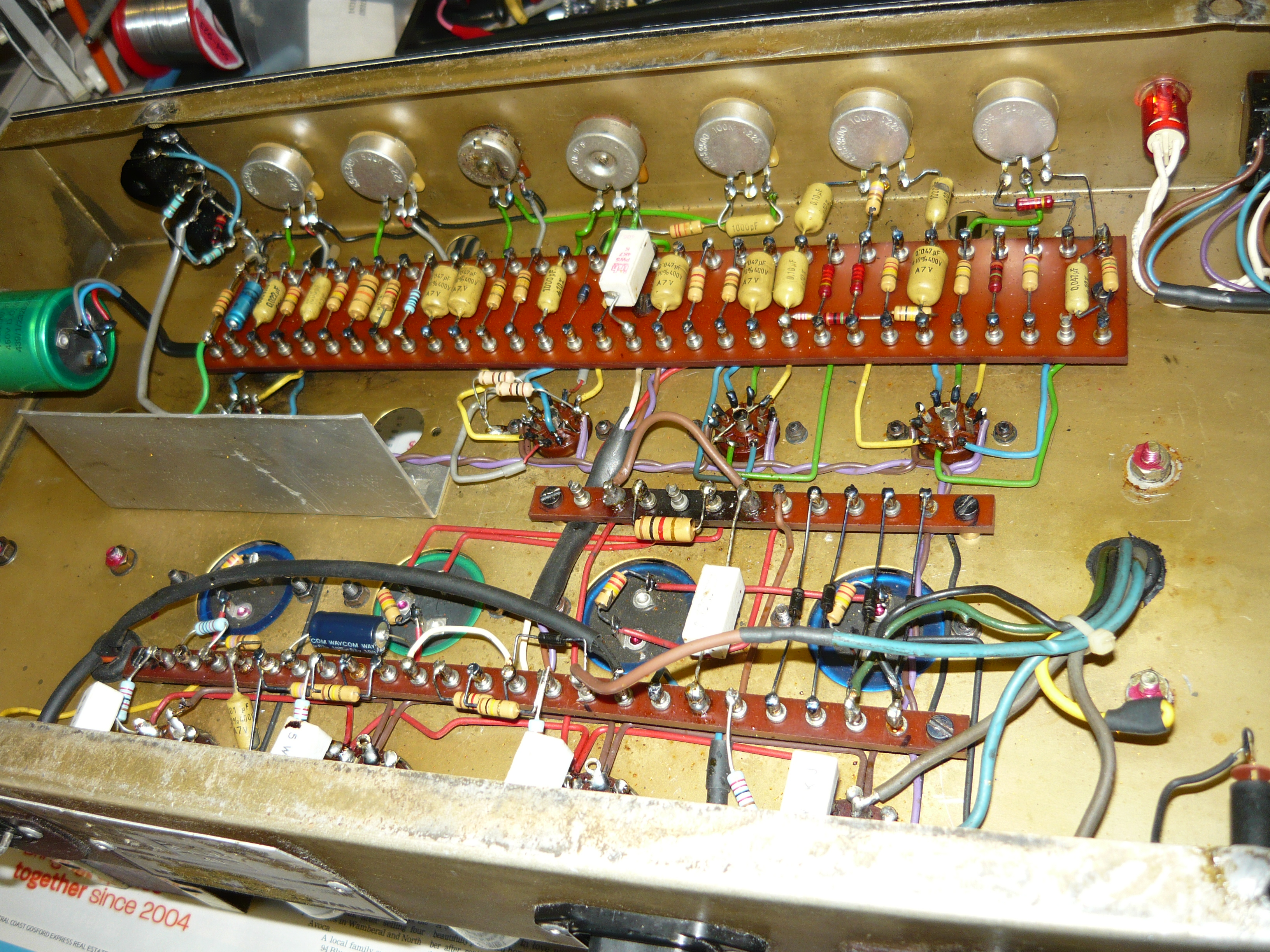
DR103 interior view of chassis after replacement of 5 x pots

DR103 interior view of chassis after replacement of 5 x pots

Two only of the preamp valves were tested as being faulty and/or microphonic, so we replaced those accordingly. All other valves, including the quartet of EL34’s tested OK. This amp has obviously been in regular use since manufacture in 1978, and the various electrolytic capacitors in the power supply still appeared to be serviceable. As the customer’s budget did not allow for complete replacement of electrolytics, we left them alone.

the DR103 nameplate tarnished by years of rock&roll

the DR103 nameplate tarnished by years of rock’n’roll

There was still a remaining source of hum within the amp, and this turned out to be a lack of earth [ground] reference for the 6.3V AC heater filament supply. The pair of 100 ohm resistors that provided a virtual centre-tap for the 6.3V AC looked perfect but measured O/C. We fixed this problem with the installation of a pair of 100 ohm 1 watt resistors. The final issue to be resolved was removing the MODs to the front end of the amp.


the mighty 1978 Hiwatt DR103

the mighty 1978 Hiwatt DR103

This DR103 already possesses a very bright voice, especially when plugged into the brilliant channel. The amp had been modded with a double layer of additional brightness, so the brilliant channel was unbearable with a Strat or a Tele. We restored the front-end circuitry to original spec, removing both MODs. How does this amp sound now ? Just fantastic, actually, although at 100 watts I would get thrown out of every gig we do these days, not to mention making my existing tinnitus problem even worse ! It’s just so British, with a warm & fat midrange, sweet & crisp top-end, and a tight but powerful bottom end. I love the balance of tone across the 6 strings of the guitar, but unfortunately for this amp to sound at its best, you have to play bloody loud.

So, we heartily recommend vintage Hiwatt amps as an investment for all you amp collectors out there – they were so well made in the first place, and are a pleasure to work on from the techo’s perspective. We are currently building several custom amps from 15 watts to 60 watts [to a customer order], that while not a carbon copy of the Hiwatt, are very strongly inspired by the Hiwatt and will deliver the classic British tonality at more sensible volumes. These amps are offered with a choice of EL34, KT66 or KT88 output valves. We also offer a single-ended KT88 model at 15 watts output.

Thanks for checking in again, and there’s plenty more amp talk to come. IR.
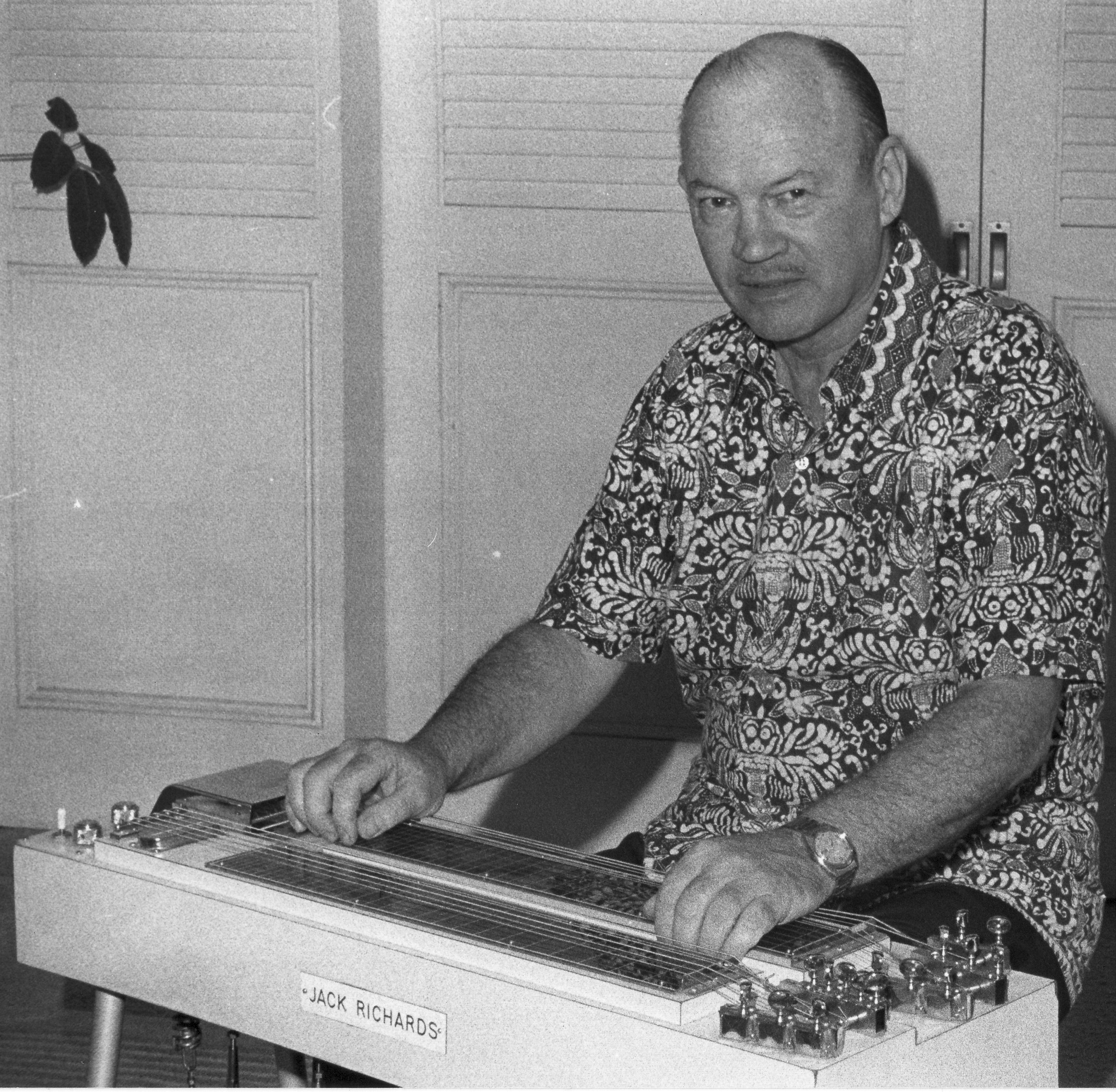
Farewell Jack Richards

March 9, 2014
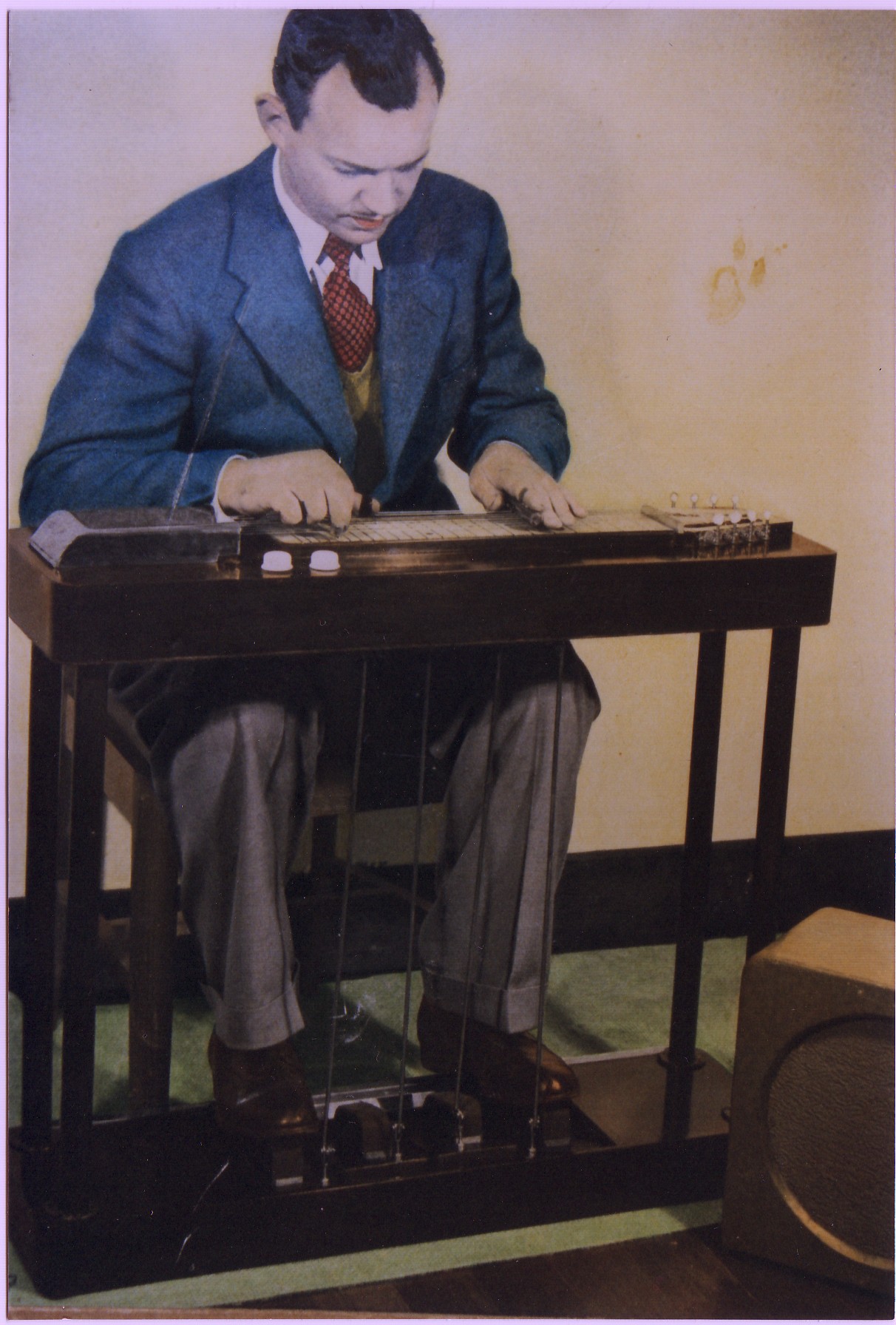
Jack Richards 1983 Pedal Steel Interview

Jack Richards 1983 Pedal Steel Interview

Jack Richards, without question the Godfather of Australian pedal steel guitar, passed away age 93 during the night Thursday 6th March 2014. Born 1921 in Sydney Australia, Jack also established himself as one of Sydney’s leading guitar professionals in the 1940’s & 1950’s, a contemporary of the top players of the time, including such names as Don Andrews, George Golla and Jan Gold.

Jack purchased his first steel guitar in 1937 for $3. In 1939 he purchased a new Rickenbacker steel and amp for about $115. At this time (like many in the Richards family) Jack was employed in the newspaper business, working for the Sydney Sun initially as a copy boy straight from school, then as a press photographer, having completed an apprenticeship.

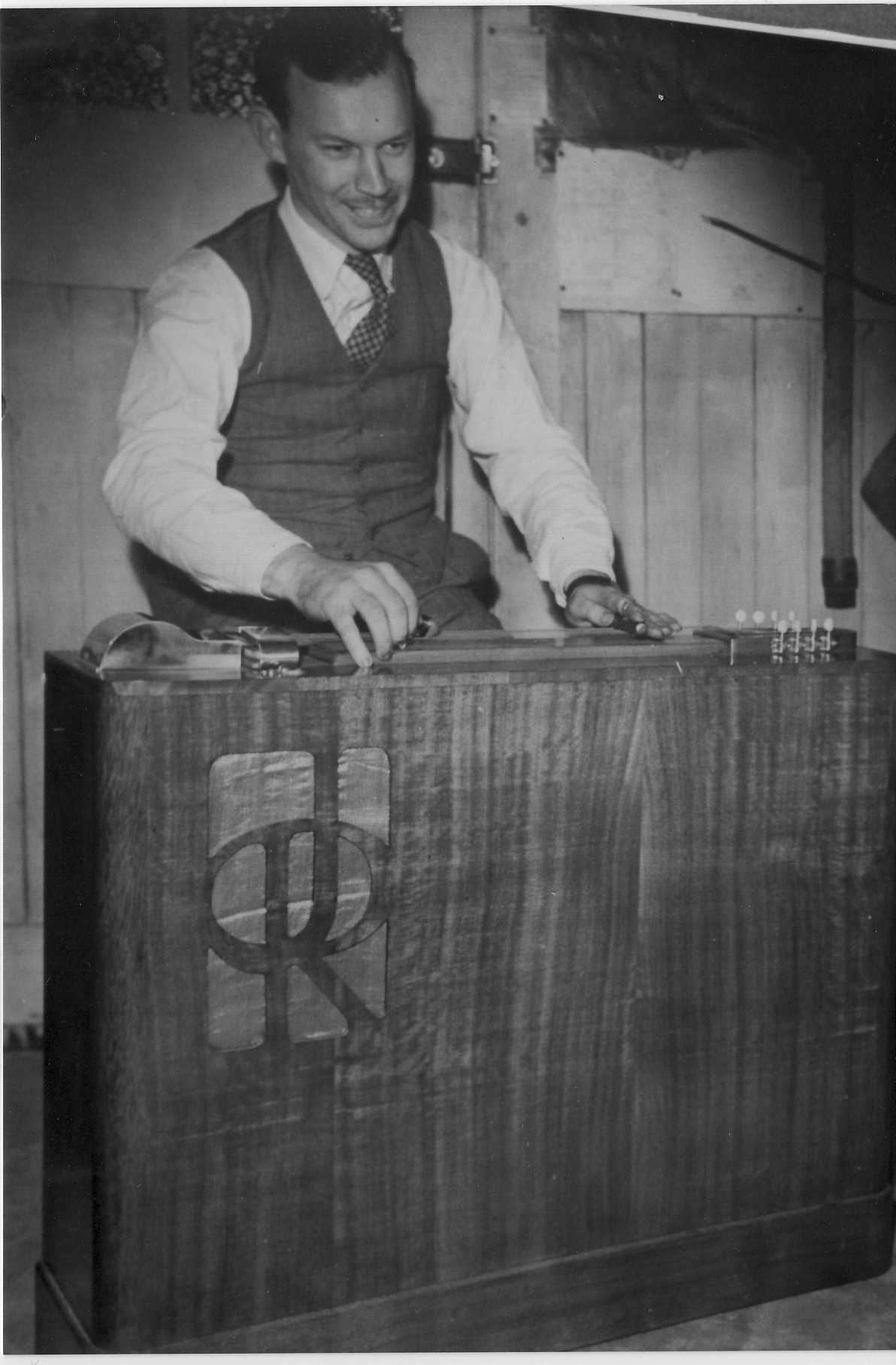
The first pedal steel in Australia (built in a Sydney garage)

The first pedal steel in Australia (built in a Sydney garage)

Jack had a flair for photography, but had greater ambitions in the world of music, well beyond playing lap steel. With the engineering skills of another steel guitar enthusiast, Ivan Ive, the first pedal steel guitar in Australia was built in a suburban garage in Sydney (pictured at left). The steel and amplifier were combined in a single very impressive cabinet, with the initials JR part of the speaker grille. Jack evolved a new style of playing steel within a jazz and big band context together with a (then) young sax player, David Rutlege. Jack became the first person to play pedal steel guitar in Australia at a professional gig, in 1943 at the ‘Roosevelt Club’, a club for American Officers in Sydney during WW2.

In 1944, Jack was hired as pedal steel guitarist by bandleader Leo White for his 15 piece orchestra. In 1945, the same band landed a 6 nights per week 2 year residency at the very swank ‘Princes’ restaurant, at that time literally Sydney’s top nightclub/restaurant. During the WW2 years, Sydney’s nightlife and live music scene had ramped up considerably from the previous decade. In the Leo White bands, Jack also played conventional orchestral/big band style (archtop) guitar, becoming a proficient reader on both instruments.

After the ‘Princes’ gig finished, there was a slow downturn in the live music scene after WW2, as might be expected. Jack stayed busy doing most of the studio sessions in Sydney on pedal steel, also including programmes on both ABC radio & TV. An example is the hawaiian music sessions with Sydney crooner Johnny Wade, who had his own weekly shows on the ABC. Jack also developed his arranging skills during this period. Radio & TV shows were generally broadcast “live” to air with all musicians required to read charts. Definitely no miming back in those days !

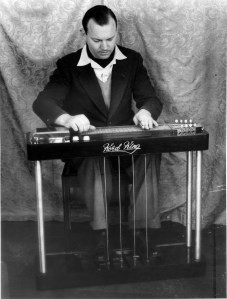
The Kord King

The Kord King

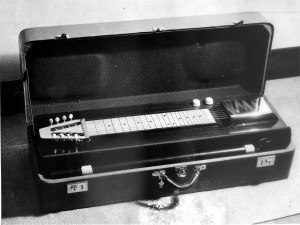
During 1947 – 1948 production of the ‘Kord King’ pedal steel guitar took place in a small factory in Cremorne (Sydney). This was arguably the first production run of a pedal steel guitar in the world. The three main partners involved in this were Jack Richards, Ray Olson and Alec Iverson – all photographers and all steel players. My apologies for any errors and omissions in this story, there may have been others who contributed to this project. This time the pedal steel was not a huge console, but rather a portable instrument with a separate amplifier unit. The amplifier was built in another factory in Cremorne, details not known. The initial production run was 100 units plus some lap steels. The boys thought they had it made – that they would conquer the world, but it was not to be. The widespread use of pedal steel guitar in country music was still a long way off. There were only a handful of guitarists with the sophistication to use Jack’s jazz approach to the steel, and interest in Hawaiian music would ultimately wane. In retrospect they were about 20 years too early.

The Cremorne factory eventually moved to Ben Boyd Road, Neutral Bay, on a corner opposite The Oaks Hotel (then the watering hole for the large tram and bus depot right next door), producing cases for jewellery and cutlery, etc. At the time, we lived close by in Grosvenor Street. I don’t think this was a happy period in Jack’s life. After the business was wound up, Jack started ‘Guitar City’ with partner Roy Royston (plus a silent partner), primarily as a teaching studio, but was developed over time as a guitar and amplifier retailer as well. This was arguably Sydney’s first ‘specialist’ guitar shop. I can remember ‘Guitar City’ at three different locations in the Sydney CBD: Railway Square, Telford House and the Gibb & Beeman Building – the latter two both prime George Street locations. I believe that the original teaching studio was in Kirribilli/North Sydney, but have no personal memory of that. The business prospered during the 60’s explosion of guitar ‘groups’, with Jack & Roy selling out to younger owners in the early 70’s.

From this time onwards until his retirement from the music business at age 65, Jack continued teaching in the Manly area of Sydney, and held down numerous club and theatre/restaurant gigs around town. Jack is survived by three sons: Ivan, Trevor and Mark, one daughter: Karen, plus eight grandchildren and five great-grandchildren. Thank you Jack for passing on the gift of music to me !!

Ivan Richards.


Jack Richards demonstrates the Kord King, Sydney Australia.

Jack Richards demonstrates the Kord King, Sydney Australia.

The Kord King was intended to be easy to transport to gigs.

The Kord King was intended to be easy to transport to gigs.